Celebrating 3D Visionaries Shaping the Future of Design
- Jun 16
- 4 min read
The world of design is evolving fast. Today, 3D technology is not just a tool; it’s a language that architects, interior designers, and product manufacturers use to tell their stories. These stories shape the spaces we live in, the products we use, and the environments we experience. But who are the visionaries behind this transformation? How do they push the boundaries of creativity and technology to bring ideas to life with stunning clarity?
I want to take you on a journey through the minds and works of those shaping the future of design with 3D visualization. Along the way, I’ll highlight some powerful tools that help turn imagination into reality, making the complex simple and the invisible visible.
The Power of 3D Visualization in Modern Design
3D visualization has changed how we approach design. It allows us to see a project before it exists, to explore every angle, texture, and light effect. This technology bridges the gap between concept and reality, helping clients and creators understand the final product in detail.
Imagine walking through a building that hasn’t been built yet or examining a product prototype from every side without touching it. This is the magic of 3D visualization. It saves time, reduces errors, and sparks creativity by offering a clear preview of the final outcome.
One standout example in this field is 3D Visionaries, a company dedicated to delivering exceptional 3D visualizations for architecture, interiors, and products. Their work shows how detailed and lifelike 3D renderings can be, helping clients make confident decisions.
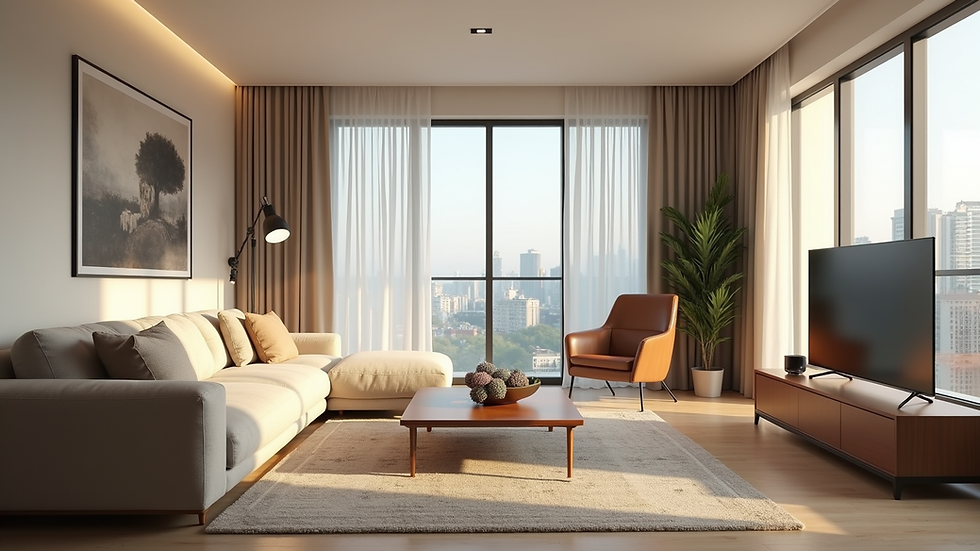
Meet the Visionaries Behind the Scenes
The people who excel in 3D design combine artistic skill with technical knowledge. They understand materials, lighting, and space, but also master software and hardware that bring their visions to life.
These visionaries come from diverse backgrounds:
Architects who use 3D models to refine building designs and communicate ideas clearly.
Interior designers who create immersive environments that clients can explore virtually.
Product manufacturers who prototype and showcase new products with photorealistic detail.
Their work requires precision and creativity. They often collaborate with clients to tweak designs until every detail feels right. This process is made easier with tools like V-Ray, a powerful rendering engine known for its realistic lighting and textures. V-Ray helps designers create images that look like photographs, making it easier to sell ideas and secure approvals.
For example, an architect might use V-Ray to simulate how sunlight filters through windows at different times of day. This insight can influence window placement and materials, improving both aesthetics and energy efficiency.
Tools That Bring Designs to Life
Technology is the backbone of 3D design. Here are three tools that stand out for their impact on the industry:
1. 3D Visionaries Visualization Services
Type: Service
Name: 3D Visionaries
Description: Offers high-quality 3D visualizations for architecture, interior design, and product manufacturing. Their detailed renderings help clients see projects clearly before construction or production begins.
URL: 3D Visionaries
This service is a great example of how expert visualization can support design decisions. Their work combines artistic vision with technical skill, producing images that feel real and inviting.
2. V-Ray Rendering Engine
Type: Software
Name: V-Ray
Description: A rendering engine that creates photorealistic images by simulating real-world lighting and materials. Widely used in architecture and product design for its accuracy and speed.
URL: V-Ray
V-Ray is a favorite among professionals who want to add realism to their 3D models. It supports complex lighting setups and detailed textures, making designs come alive.
3. SketchUp 3D Modeling Software
Type: Software
Name: SketchUp
Description: A user-friendly 3D modeling tool that allows designers to create and modify 3D models quickly. It integrates well with rendering engines like V-Ray.
URL: SketchUp
SketchUp is popular for its ease of use and flexibility. It’s often the first step in the design process, where ideas take shape before moving to detailed rendering.
How These Tools Work Together
Combining these tools creates a smooth workflow. Designers start with SketchUp to build the basic model. Then, they use V-Ray to add realistic lighting and textures. Finally, services like 3D Visionaries polish the images, adding final touches that make the visuals stunning.
This process helps clients understand the design fully. They can see how materials look, how light interacts with surfaces, and how spaces feel. This clarity reduces misunderstandings and speeds up approvals.

The Impact on Architecture and Interior Design
In architecture, 3D visualization helps explore complex structures and urban environments. Designers can test different layouts, materials, and lighting conditions before construction starts. This reduces costly mistakes and improves the final result.
Interior designers use 3D renderings to create mood boards and virtual walkthroughs. Clients can experience the space from every angle, making it easier to choose colors, furniture, and finishes.
For example, a real estate developer might use 3D visualizations to market a new building. Potential buyers can see detailed images of apartments, common areas, and outdoor spaces, helping them make informed decisions.
Product Manufacturing Benefits
Product manufacturers also benefit from 3D visualization. They can create prototypes digitally, test different designs, and present products to clients without physical samples.
This speeds up the development process and lowers costs. It also allows for quick changes based on feedback, improving the final product.

Looking Ahead: The Future of 3D Design
The future of design is bright with 3D technology. As software and hardware improve, visualizations will become even more immersive and interactive. Virtual reality and augmented reality will let clients walk through designs in real time.
The role of 3D visionaries will grow. Their ability to blend creativity with technology will shape how we build and experience the world around us.
If you want to bring your design ideas to life with clarity and detail, working with experts like 3d visionaries can make all the difference. They help turn concepts into vivid, realistic images that inspire and inform.
Design is no longer just about drawings on paper. It’s about creating experiences that people can see, feel, and understand before they exist. The visionaries who master 3D technology are leading this change, shaping a future where design is clearer, smarter, and more exciting than ever.
Ready to explore how 3D visualization can transform your next project? Dive into the world of 3D design and see your ideas come alive with precision and beauty.


Comments