How 3D Rendering Enhances Real Estate Marketing
In the fast-paced world of real estate, standing out from the competition is crucial. Photorealistic architectural rendering has emerged as a powerful tool for property developers and marketers. This technology breathes life into designs, allowing potential buyers to visualize a project even before the construction begins. By utilizing 3D visuals and virtual tours, developers can effectively engage clients, making it easier to sell properties that are yet to be built.
The Power of Visualization
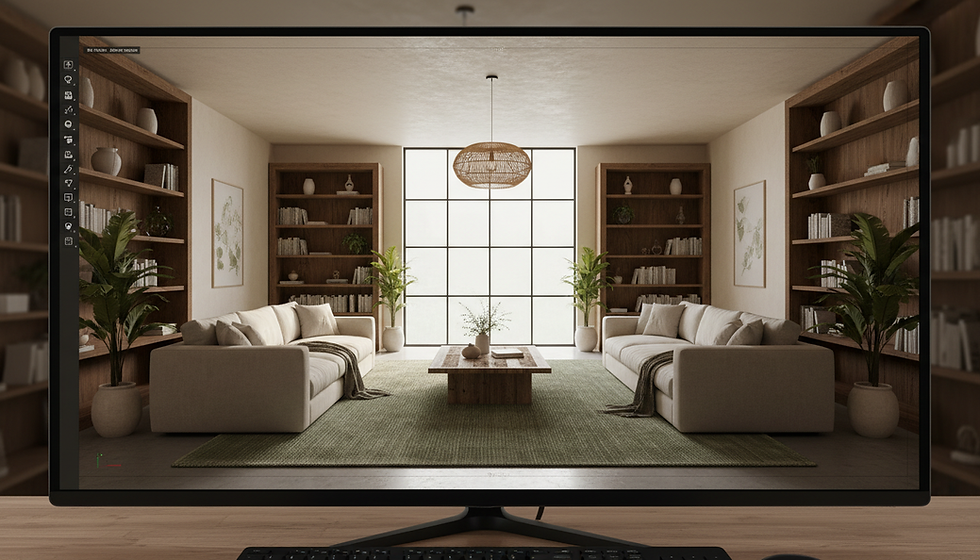
For many buyers, the ability to visualize a property plays a critical role in their decision-making. Traditional marketing methods, such as blueprints and 2D sketches, often miss the mark. In contrast, architectural rendering provides lifelike images that create immersive experiences for potential buyers. For instance, a stunning 3D rendering of a beachside property allows clients to envision themselves enjoying the ocean breeze from their future balcony.
Statistics highlight the significant impact of such visuals. According to a report by the National Association of Realtors, listings featuring 3D tours attract 87% more views compared to those without. This increased interest often leads to quicker sales, underlining the importance of using architectural rendering in marketing strategies.
Enhancing Marketing Strategies
Incorporating 3D rendering into marketing approaches offers a substantial boost to property presentation. High-quality architectural images can be seamlessly integrated into various platforms such as websites, brochures, and social media channels. This comprehensive marketing strategy casts a wider net, drawing in a more diverse pool of potential buyers.
Consider the effectiveness of virtual tours. They allow clients to explore properties from anywhere at any time. This accessibility is particularly appealing today, as many people prefer conducting research from home. By providing an engaging and interactive experience, developers can leave a lasting impression that distinguishes their projects from others in the market.

Building Trust and Credibility
Trust is paramount in real estate transactions. High-quality architectural renderings help establish this trust by presenting a realistic vision of projects. For example, when developers showcase vivid 3D images of a luxury apartment complex, buyers can clearly see the layout, amenities, and overall design. This transparency assures clients of the developer's commitment to quality.
Furthermore, 3D visuals can address potential concerns directly. If a buyer is unsure about room sizes or layouts, a virtual tour allows them to observe the flow and space of the property firsthand. This approach not only builds credibility but also fosters strong relationships between developers and clients.
Streamlining the Sales Process
The real estate sales process can be lengthy and often complex. Utilizing architectural rendering simplifies this journey. By offering a clear visual representation of the property, developers significantly reduce inquiries about design and layout, leading to fewer misunderstandings.
Moreover, when potential buyers can see accurate depictions of a property, their decision-making process often speeds up. In fact, properties that leverage 3D visuals tend to sell 30% faster than those that rely solely on traditional marketing methods. This efficiency leads to quicker sales cycles, benefiting both developers and marketers.

Maximizing Return on Investment
While investing in architectural rendering may seem costly, the return can be impressive. Properties that make use of 3D visuals often sell faster and at higher prices—sometimes up to 20% more, according to a National Association of Realtors report. This increase in sale price and the accelerated sales process typically outweigh the initial costs.
Investing in high-quality architectural rendering enhances the overall presentation of a property, attracting more serious buyers and leading to successful transactions. Developers who embrace this technology are likely to see greater financial returns.
Future Trends in Architectural Rendering
As technology advances, so does architectural rendering. New trends like virtual reality (VR) and augmented reality (AR) are changing the marketing landscape. These technologies provide even more immersive experiences, letting buyers walk through properties before they exist.
Advancements in rendering software are also making it more efficient to produce high-quality visuals. As these tools become more widely available, more developers will adopt them, enhancing the competitive edge in real estate marketing.

Final Thoughts
Photorealistic architectural rendering has transformed how property developers and real estate marketers present their projects. By leveraging 3D visuals and virtual tours, developers can showcase their properties effectively, build trust with buyers, and streamline sales processes. The figures clearly indicate that high-quality visuals not only attract more interest but also empower developers to command higher prices.
As the real estate industry continues to evolve, the adoption of innovative technologies like architectural rendering is essential for maintaining competitiveness. Developers who invest in these advanced marketing strategies will likely experience enhanced visibility and a more significant return on investment, paving the way for their success in the market.
Transform Your Vision with 3D Visionaries
At 3D Visionaries, we bring your architectural ideas to life through cutting-edge visualization solutions. Whether you need real-time rendering, immersive VR experiences, or AI-enhanced visual storytelling, our team helps you communicate your vision with clarity and impact.


Comments