How 3D Visualization Boosts Architectural Project Approvals
Architectural projects often face challenges during approval stages. Stakeholders, including clients, planning committees, and community members, need clear and convincing presentations to understand the design intent. Traditional 2D drawings and sketches sometimes fail to communicate the full scope and impact of a project. This is where 3D visualization plays a crucial role. By offering realistic, immersive views of architectural designs, 3D visualization helps speed up approvals and reduces misunderstandings.

Clear Communication of Design Concepts
One of the biggest hurdles in architectural approvals is bridging the gap between technical drawings and non-expert understanding. Many stakeholders do not read blueprints fluently, which can lead to confusion or hesitation.
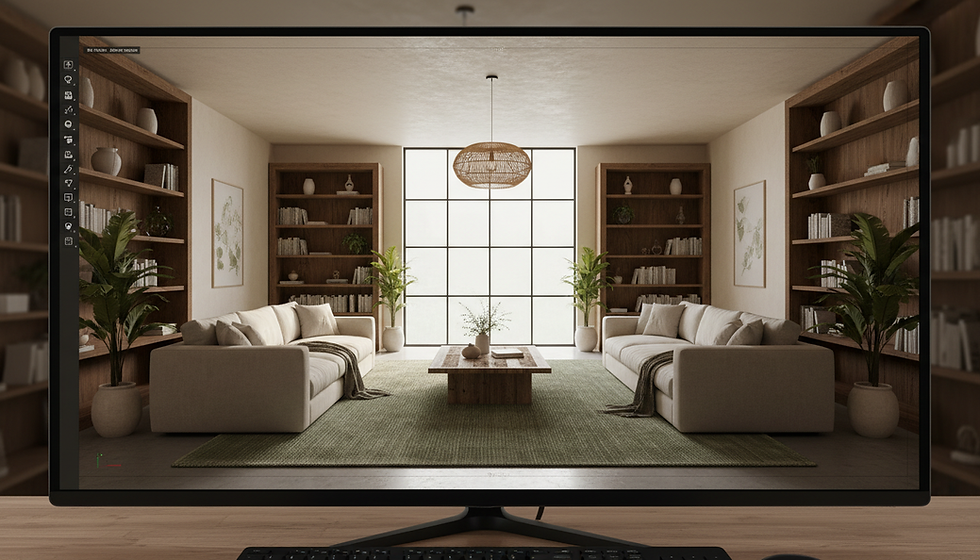
3D visualization translates complex plans into easy-to-understand images and animations. It shows how a building will look from different angles, how it fits into the surrounding environment, and how materials and lighting interact. This clarity helps decision-makers grasp the design quickly and confidently.
For example, a city council reviewing a new community center can see a lifelike model rather than interpreting abstract floor plans. This reduces questions and speeds up the approval process.
Enhancing Stakeholder Engagement
Engagement is key to gaining support for architectural projects. When stakeholders can interact with a 3D model, they feel more involved and informed. This interaction can take many forms:
Virtual walkthroughs that simulate moving through the building
Interactive models that allow users to change finishes or layouts
Flyover animations showing the project in context
These tools create a stronger connection between the project and its audience. When people understand and appreciate the design, they are more likely to approve it.
A recent example involves a school expansion project where parents and teachers used a virtual tour to explore new classrooms and facilities. Their positive feedback helped the school board approve the budget quickly.
Identifying and Solving Design Issues Early
3D visualization is not just for presentations; it is a powerful design tool. Architects can spot potential problems before construction begins by examining the model in detail. This proactive approach reduces costly changes during building and avoids delays.
For instance, visualizing sunlight patterns throughout the day can reveal shading issues or overheating risks. Adjusting window placements or adding shading devices in the model phase improves comfort and energy efficiency.
By addressing these concerns early, architects present a more refined and feasible project to approval authorities, increasing the chances of acceptance.

Building Trust Through Realistic Expectations
Unrealistic expectations often cause delays or rejections. When stakeholders imagine a project differently from the architect’s vision, disagreements arise. 3D visualization sets clear expectations by showing exactly what the finished building will look like.
Realistic textures, lighting, and landscaping in the 3D model help stakeholders visualize the final outcome. This transparency builds trust and reduces the risk of objections based on misunderstandings.
For example, a developer used 3D renders to show how a new apartment complex would blend with the neighborhood. The realistic images convinced local residents that the project would enhance the area, leading to smoother approvals.
Supporting Environmental and Regulatory Compliance
Many architectural projects must meet strict environmental and zoning regulations. 3D visualization helps demonstrate compliance by illustrating how the design respects height limits, setbacks, and green space requirements.
Visual models can also show sustainable features like green roofs, solar panels, or rainwater harvesting systems. This evidence supports applications for permits and incentives.
In one case, a commercial building project used 3D visualization to prove that their design preserved existing trees and minimized stormwater runoff. This helped secure environmental approvals faster than expected.

3D visualization | Conclusion
3D visualization transforms architectural project approvals by making designs clear, engaging, and trustworthy. It helps stakeholders understand complex plans, participate actively, and see realistic outcomes. By identifying issues early and demonstrating compliance, 3D models reduce delays and increase approval rates.
Transform Your Vision with 3D Visionaries
At 3D Visionaries, we bring your architectural ideas to life through cutting-edge visualization solutions. Whether you need real-time rendering, immersive VR experiences, or AI-enhanced visual storytelling, our team helps you communicate your vision with clarity and impact.


Comments