Maximizing Design Impact with 3D Rendering Services
- Paul Ian Masendo
- Nov 27, 2025
- 4 min read

In the world of design, clarity is king. Whether you're shaping a new building, crafting an interior space, or developing a product, the ability to visualize your concept before it exists in reality is invaluable. This is where 3D rendering steps in, transforming abstract ideas into vivid, tangible images. But what exactly makes 3D rendering so powerful? How can it elevate your projects and streamline your workflow? Let’s dive into the benefits of 3D rendering and explore how it can maximize your design impact.
Unlocking the Benefits of 3D Rendering Services
Imagine holding a detailed model of your project in your hands, except it’s digital, infinitely adjustable, and more realistic than any physical prototype. That’s the essence of 3D rendering. It offers a bridge between imagination and reality, allowing you to see every angle, texture, and light effect before a single brick is laid or product manufactured.
Some key benefits include:
Enhanced Visualization: 3D renders provide photorealistic images that communicate your vision clearly to clients, stakeholders, and contractors.
Improved Communication: Complex designs become easier to understand, reducing misinterpretations and costly revisions.
Faster Decision-Making: When everyone sees the same detailed image, approvals happen quicker.
Cost Efficiency: Catch design flaws early and avoid expensive changes during construction or production.
Marketing Power: Stunning visuals attract buyers and investors, making your project stand out in a crowded market.
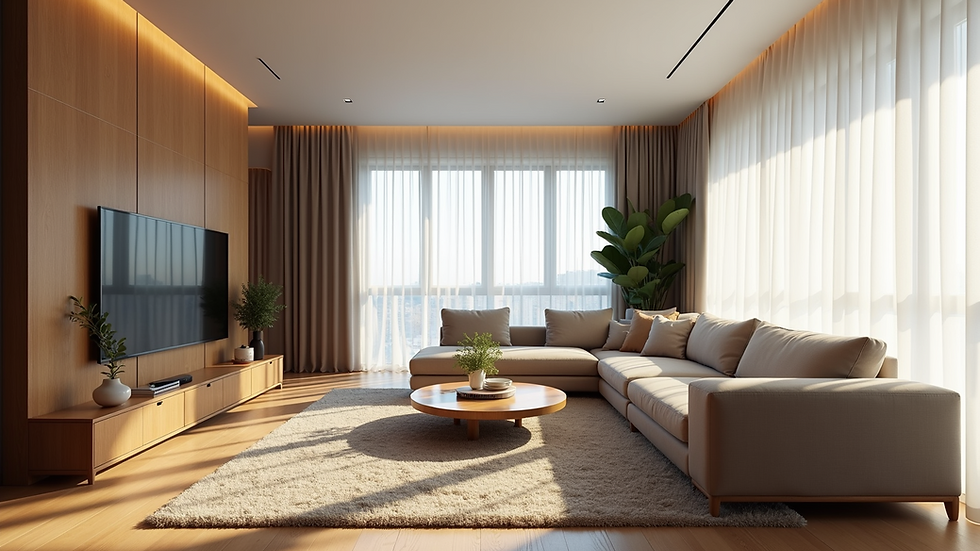
These advantages are not just theoretical. For example, an interior designer can experiment with lighting and materials digitally, tweaking colors and finishes until the perfect ambiance is achieved. A real estate developer can showcase a property’s potential with immersive visuals that spark emotional connections. The benefits ripple through every stage of the design and sales process.
How 3D Rendering Transforms Design Workflow
The design process is often a winding road filled with revisions, feedback loops, and unexpected challenges. 3D rendering acts like a GPS, guiding you smoothly from concept to completion.
Early Stage Conceptualization
Sketches and 2D plans are essential, but they can leave much to the imagination. A 3D render fills in the blanks, offering a realistic preview that helps you and your clients understand scale, proportion, and spatial relationships instantly.
Iterative Refinement
Instead of redrawing plans or building costly models, you can adjust your 3D render quickly. Change a wall color, swap furniture, or alter lighting with a few clicks. This flexibility accelerates creativity and innovation.
Collaboration and Presentation
Sharing 3D visuals with your team or clients fosters better collaboration. Everyone can provide input based on the same detailed image, reducing confusion and aligning expectations.
Final Approval and Marketing
Once the design is locked in, 3D renders become powerful marketing tools. High-quality images and animations can be used in brochures, websites, and presentations to attract buyers or investors.
The ability to visualize and modify designs digitally is like having a crystal ball that reveals the future of your project. It’s no wonder that more professionals are turning to 3d render service providers to gain this competitive edge.

How Much Do Architects Charge Per Render?
Understanding the cost of 3D rendering is crucial for budgeting and project planning. Architects and rendering specialists typically price their services based on several factors:
Complexity of the Project: More intricate designs with detailed textures and lighting require more time and resources.
Type of Render: Photorealistic images, animations, or interactive 3D models vary in cost.
Number of Views: Multiple angles or scenes increase the workload.
Turnaround Time: Rush jobs often come with premium pricing.
On average, architects may charge anywhere from $200 to $1,500 per render. Simple interior views tend to be on the lower end, while large-scale exterior or highly detailed product renders command higher fees.
Some firms offer package deals or hourly rates, so it’s wise to discuss your specific needs upfront. Investing in quality renders can save money in the long run by preventing costly mistakes and enhancing client satisfaction.
Practical Tips for Maximizing Your 3D Rendering Investment
To get the most out of your 3D rendering experience, consider these actionable recommendations:
Define Your Goals Clearly
Know what you want to achieve with your renders. Is it for client presentations, marketing, or design validation? Clear goals help the rendering team focus on the right details.
Provide Detailed Input
Share sketches, material samples, and reference images. The more information you provide, the more accurate and tailored the render will be.
Communicate Early and Often
Stay involved throughout the rendering process. Review drafts and provide feedback promptly to avoid major revisions later.
Leverage Different Render Types
Use a mix of still images, walkthrough animations, and interactive models to engage different audiences effectively.
Choose the Right Service Provider
Partner with a reputable 3d render service that understands your industry and can deliver high-quality visuals on time.
By following these steps, you ensure your investment in 3D rendering pays off with stunning visuals that truly represent your vision.

The Future of Design Visualization
As technology advances, 3D rendering continues to evolve. Real-time rendering, virtual reality (VR), and augmented reality (AR) are becoming integral parts of the design toolkit. These innovations allow immersive experiences where clients can "walk through" a space or interact with a product before it exists.
Imagine presenting a design that clients can explore from every angle, changing colors or materials with a tap. This level of engagement not only impresses but also builds confidence and excitement around your projects.
The future is bright for those who embrace these tools. By integrating cutting-edge 3D rendering into your workflow, you position yourself at the forefront of design innovation, delivering clarity, precision, and impact like never before.
Harnessing the power of 3D rendering is no longer a luxury but a necessity in today’s competitive design landscape. It transforms ideas into vivid realities, streamlines communication, and accelerates decision-making. Whether you’re refining a concept or showcasing a finished product, 3D rendering services unlock new dimensions of creativity and efficiency. Why settle for flat drawings when you can bring your vision to life in stunning detail? The tools are here - it’s time to make your designs unforgettable.


Comments