The Future of CAD Drafting Services: How AI Is Transforming Architectural Design
- Nov 6, 2025
- 3 min read
Architectural design has always relied on precision and creativity, but the process of drafting detailed plans can be time-consuming and prone to human error. Today, artificial intelligence is reshaping how architects and drafters work by introducing new tools that automate routine tasks, detect mistakes early, and improve design efficiency. This shift is changing the landscape of CAD drafting services and opening new possibilities for smart architectural design.
AI in CAD drafting is no longer a concept of the future; it is actively transforming workflows and outcomes in architecture firms worldwide.
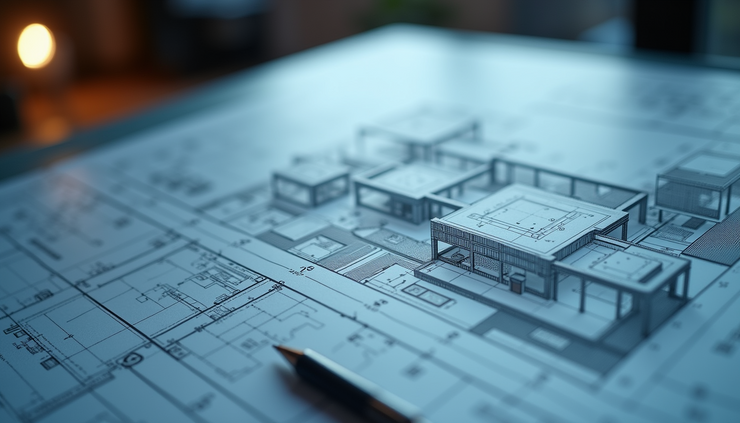
How AI Drafting Tools Automate Design Tasks
One of the biggest advantages of AI-powered drafting services is automation. AI drafting tools can handle repetitive and time-intensive tasks such as:
Generating initial floor plans based on user inputs
Automatically aligning and scaling design elements
Creating 3D models from 2D sketches
Updating drawings when changes occur in real time
For example, some AI platforms use machine learning algorithms to interpret rough sketches and convert them into detailed CAD drawings. This reduces the manual effort required and speeds up the early stages of design.
Automation also helps architects focus more on creative decisions rather than technical details. By delegating routine work to AI, teams can deliver projects faster without sacrificing quality.
Detecting Errors and Improving Accuracy with AI
Mistakes in architectural drawings can lead to costly construction errors. AI drafting tools improve accuracy by identifying potential issues before they become problems. These tools analyze designs for:
Structural inconsistencies
Code compliance violations
Conflicts between electrical, plumbing, and HVAC layouts
Missing or incomplete elements
For instance, AI algorithms can scan a building plan and flag areas where load-bearing walls are incorrectly placed or where fire safety regulations might be compromised. This early detection helps architects correct errors during the design phase, saving time and money during construction.
AI also learns from past projects, improving its ability to spot errors over time. This continuous learning makes AI-powered drafting services increasingly reliable.

Optimizing Architectural Layouts for Efficiency
Smart architectural design benefits from AI’s ability to analyze multiple variables and suggest optimized layouts. AI drafting tools can evaluate factors such as:
Natural light exposure
Energy efficiency
Space utilization
Traffic flow within buildings
By processing large datasets and running simulations, AI can recommend design adjustments that improve comfort and reduce operational costs. For example, AI might suggest repositioning windows to maximize daylight or rearranging rooms to enhance accessibility.
These optimizations help architects create buildings that are not only visually appealing but also functional and sustainable.
Enhancing Collaboration Between Architects and Drafters
AI-powered drafting services also improve collaboration by providing shared platforms where architects and drafters can work together seamlessly. Cloud-based AI CAD tools allow multiple users to:
Access the latest design versions instantly
Comment and suggest changes in real time
Track revisions and maintain version control
This connectivity reduces miscommunication and ensures everyone stays aligned throughout the project lifecycle. Some AI platforms even use natural language processing to translate verbal instructions into design modifications, making collaboration more intuitive.
The result is a smoother workflow and faster project delivery.

What the Next 5 to 10 Years Hold for AI in CAD Drafting
Looking ahead, AI in CAD drafting will become more integrated and intelligent. We can expect:
Greater use of generative design, where AI creates multiple design options based on goals and constraints
Enhanced virtual and augmented reality tools for immersive design reviews
More personalized AI assistants that understand individual architect preferences
Increased automation of regulatory compliance checks
Wider adoption of AI in sustainable and green building design
These advances will make architectural design faster, more accurate, and more responsive to client needs. Architects and drafters who embrace AI-powered drafting services will gain a competitive edge by delivering higher quality projects with less effort.
AI will not replace human creativity but will support it by handling technical tasks and providing valuable insights.


Comments