The Power of Architectural Visualizations in Design - 3D in Arhcitectural Projects
In the world of design, clarity is king. When ideas remain locked in blueprints or sketches, they risk being misunderstood or undervalued. That’s where the power of 3D in architectural projects truly shines. It transforms abstract concepts into vivid, tangible experiences. Imagine walking through a building before a single brick is laid. This is no longer a fantasy but a reality thanks to advanced visualization techniques.
The ability to see a project in three dimensions changes everything. It bridges the gap between imagination and execution, allowing every stakeholder to engage with the design on a deeper level. But what exactly makes 3D visualization so indispensable? Let’s explore how this technology reshapes the design process, enhances communication, and drives better decisions.
The Role of 3D in Architectural Projects
3D technology is not just a tool; it’s a language that speaks volumes without uttering a word. It conveys scale, texture, light, and space in ways that flat drawings simply cannot. For architects, interior designers, product manufacturers, and real estate developers, this means fewer misunderstandings and more precise outcomes.
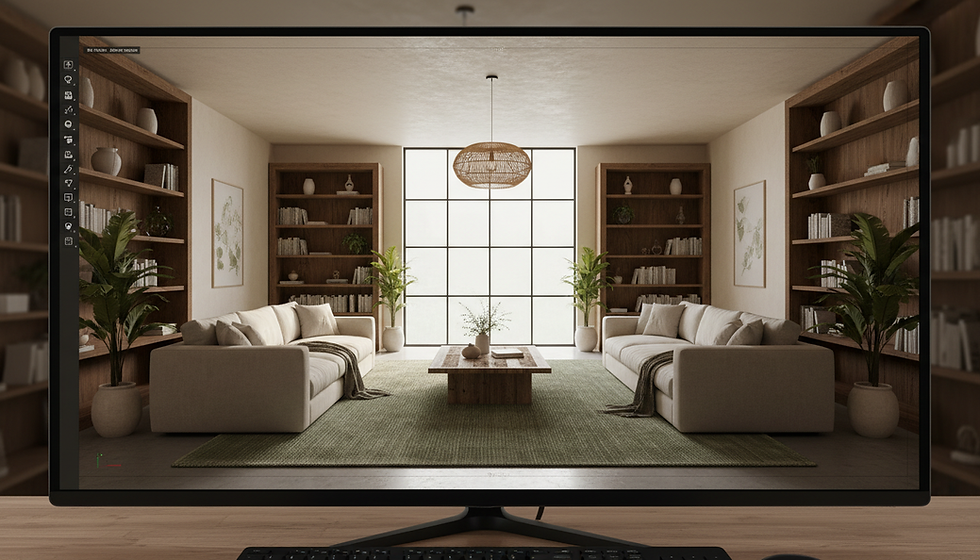
Consider a residential project. A 3D model can showcase how natural light filters through windows at different times of day. It reveals how furniture fits within a room, or how materials complement each other. This level of detail helps clients visualize their future home with confidence. It also allows designers to experiment freely, testing ideas without costly physical prototypes.
Moreover, 3D models facilitate collaboration. When everyone sees the same detailed representation, discussions become more focused and productive. Changes can be made swiftly, and potential issues identified early. This reduces delays and budget overruns, making the entire process smoother.

How 3D Visualizations Enhance Project Presentation
Presenting a project is an art form, and 3D visualizations are its brush and palette. They allow designers to tell a compelling story about their vision. Instead of relying on technical jargon or abstract plans, they can show clients exactly what to expect.
High-quality renderings evoke emotions. They highlight the ambiance of a space, the warmth of materials, and the harmony of design elements. This emotional connection is crucial for securing approvals and investments. After all, people invest in feelings as much as in facts.
Interactive 3D walkthroughs take this a step further. They invite clients to explore spaces at their own pace, discovering details that static images might miss. This immersive experience builds trust and excitement, turning passive viewers into active participants.
For real estate developers, these visual tools are invaluable marketing assets. They attract buyers by showcasing properties before construction begins. This early engagement can accelerate sales cycles and improve market positioning.

Can ChatGPT do architectural renderings?
This question often arises as AI tools become more sophisticated. ChatGPT excels at generating text-based content, offering ideas, explanations, and even code snippets. However, when it comes to creating visual content like architectural renderings, its capabilities are limited.
Architectural renderings require specialized software and artistic skill to produce photorealistic images or animations. Tools like 3ds Max, SketchUp, Lumion, and Blender are designed for this purpose. They handle complex tasks such as lighting simulation, texture mapping, and camera positioning.
That said, AI can assist in the visualization process indirectly. For example, ChatGPT can help generate detailed project descriptions, suggest design concepts, or guide users through software tutorials. It can also support communication by drafting client presentations or marketing copy.
In essence, while ChatGPT is a powerful assistant for the creative process, the actual creation of architectural visualizations remains a task for dedicated 3D artists and software.
Practical Tips for Leveraging 3D in Your Projects
Harnessing the full potential of 3D in architectural projects requires more than just software. It demands a strategic approach and attention to detail. Here are some actionable recommendations:
Start Early - Integrate 3D modeling from the initial design phase. Early visualization helps identify design flaws and optimize layouts before construction begins.
Focus on Realism - Use high-quality textures, accurate lighting, and realistic materials. The closer the rendering is to reality, the easier it is for clients to trust the design.
Customize for Your Audience - Tailor visualizations to the needs of different stakeholders. Developers might want financial projections alongside visuals, while homeowners focus on aesthetics and comfort.
Use Interactive Elements - Incorporate virtual reality (VR) or augmented reality (AR) to create immersive experiences. These technologies deepen engagement and provide unique perspectives.
Collaborate Closely - Work with skilled 3D artists who understand architectural nuances. Their expertise can elevate your project and ensure technical accuracy.
Keep File Sizes Manageable - Optimize models to balance detail and performance. Large files can slow down presentations and frustrate clients.
Update Regularly - Reflect design changes promptly in your visualizations. This keeps everyone aligned and avoids costly misunderstandings.
By following these guidelines, you can maximize the impact of your 3D presentations and streamline your workflow.
Beyond Visualization: The Future of 3D in Design
The journey of 3D in architectural projects is far from over. Emerging technologies promise to push boundaries even further. Imagine AI-driven design assistants that generate multiple layout options based on your criteria. Or real-time rendering engines that allow instant changes during client meetings.
Sustainability is another frontier. 3D models can simulate energy efficiency, daylighting, and environmental impact, helping designers create greener buildings. This integration of performance analysis with visualization empowers smarter decisions.
Furthermore, the rise of digital twins - virtual replicas of physical buildings - opens new possibilities for maintenance, renovation, and user experience. These dynamic models evolve alongside the real structure, providing ongoing value.
In this evolving landscape, partnering with experts who specialize in architectural visualizations is crucial. They bring not only technical skills but also creative insight, ensuring your projects stand out and succeed.
The power of 3D is not just in showing what a building looks like. It’s about telling a story, solving problems, and inspiring confidence. It’s the bridge between dreams and reality, crafted pixel by pixel.
Embracing 3D technology transforms the design process into a collaborative, transparent, and exciting journey. It empowers every participant to see, feel, and believe in the vision. As the tools evolve, so too does the potential to create spaces that resonate deeply and endure beautifully. The future of architectural design is vivid, dynamic, and unmistakably three-dimensional.
Transform Your Vision with 3D Visionaries
At 3D Visionaries, we bring your architectural ideas to life through cutting-edge visualization solutions. Whether you need real-time rendering, immersive VR experiences, or AI-enhanced visual storytelling, our team helps you communicate your vision with clarity and impact.


Comments