Understanding Autodesk Outsourcing: Exploring Millwork, Shop, and Construction Drawings
- Jan 18
- 3 min read
Outsourcing Autodesk drafting services has become a practical solution for many architecture, engineering, and construction firms. It helps manage workload, reduce costs, and access specialized skills. But what exactly do these outsourced drafters produce? This post explores the key types of drawings created by AutoCAD professionals, focusing on millwork drawings, shop drawings, and construction drawings. Understanding these outputs clarifies how outsourcing supports project success and quality.
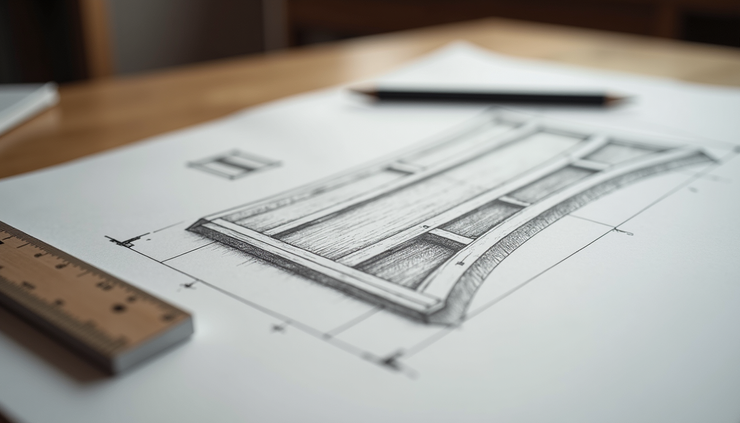
What Are Millwork Drawings?
Millwork drawings are detailed plans that specify custom woodwork components used in buildings. These include cabinets, moldings, doors, window frames, and built-in furniture. The drawings provide exact dimensions, materials, finishes, and assembly instructions.
Millwork drawings serve as a bridge between design intent and fabrication. They ensure that woodworkers and carpenters understand the precise requirements to create pieces that fit perfectly within the architectural space.
Key Features of Millwork Drawings
Detailed dimensions for every component, including thickness, height, and width.
Material specifications such as wood type, veneer, or laminate.
Joinery and assembly details to guide construction.
Finish instructions including paint, stain, or varnish.
Hardware placement for handles, hinges, and locks.
By outsourcing millwork drawings, companies gain access to drafters who specialize in woodworking details, improving accuracy and reducing errors during fabrication.
Understanding Shop Drawings
Shop drawings are technical documents created by fabricators, contractors, or suppliers. They show how specific components or systems will be manufactured and installed. These drawings are more detailed than architectural plans and focus on the practical aspects of construction.
Shop drawings cover a wide range of elements such as steel frameworks, HVAC systems, electrical layouts, and custom fixtures. They confirm that the design can be built as intended and comply with codes and standards.
What Shop Drawings Include
Precise measurements tailored to fabrication processes.
Material lists and specifications.
Installation instructions and sequencing.
Coordination details to avoid clashes with other systems.
Approval stamps from engineers or architects.
Outsourcing shop drawings allows firms to tap into experts familiar with manufacturing constraints and installation challenges. This reduces delays and costly rework on site.

The Role of Construction Drawings
Construction drawings are the comprehensive set of documents used by contractors to build a project. They include architectural, structural, mechanical, electrical, and plumbing plans. These drawings guide every phase of construction from site preparation to final finishes.
Construction drawings must be clear, coordinated, and compliant with regulations. They translate design concepts into actionable instructions for builders.
Components of Construction Drawings
Site plans showing building location and utilities.
Floor plans with room layouts and dimensions.
Elevations and sections illustrating vertical details.
Structural details for foundations, beams, and columns.
Mechanical and electrical schematics for systems installation.
Outsourcing construction drawings helps firms handle large volumes of work and maintain quality control. Skilled drafters ensure that drawings are accurate, up-to-date, and ready for permitting and construction.
Benefits of Outsourcing Autodesk Drafting Services
Outsourcing Autodesk drafting offers several advantages for companies involved in design and construction:
Cost savings by reducing in-house staffing and overhead.
Access to specialized skills in millwork, shop, or construction drawings.
Faster turnaround times to meet tight project deadlines.
Improved accuracy through experienced drafters familiar with industry standards.
Flexibility to scale resources up or down based on project needs.
By clearly understanding the types of drawings produced, firms can better communicate their requirements and select the right outsourcing partner.
Practical Examples of Autodesk Outsourcing in Action
A custom cabinetry manufacturer outsources millwork drawings to ensure precise joinery details and finish specifications, reducing errors during production.
A steel fabricator uses outsourced shop drawings to receive detailed connection plans and installation sequences, improving coordination with other trades.
An architecture firm hires external drafters to produce construction drawings for a large residential project, accelerating document delivery and permitting.
These examples show how outsourcing supports different stages of the building process with specialized drawing outputs.


Comments