AI just turned photos into walkable 3D worlds — what it means for property tours
- Aug 7
- 6 min read
TL;DR Adobe Research and Johns Hopkins announced Wonder, a research model that turns one image or video into a walkable 3D world. It is impressive, and this direction will change property marketing. It does not replace plan-based real estate walkthroughs when accuracy, dimensions, approvals, or investor trust matter.
AI headlines are moving fast, and this one is worth paying attention to.
On July 29, 2026, Adobe Research and Johns Hopkins announced Wonder, a research model that can turn a single static image or video into a persistent 3D world. Users can move through that world in six directions at 16 fps.
For real estate, the immediate question is obvious: does this replace virtual tours, rendered flythroughs, and walkthrough videos?
The short answer: not for serious property marketing yet.
The better answer: it changes the top of the funnel first. It gives teams a new way to create wow, mood, and exploration. But when a buyer, investor, city reviewer, or leasing team needs the visuals to match the actual space, walkthroughs built from real plans still carry the weight.
What just happened
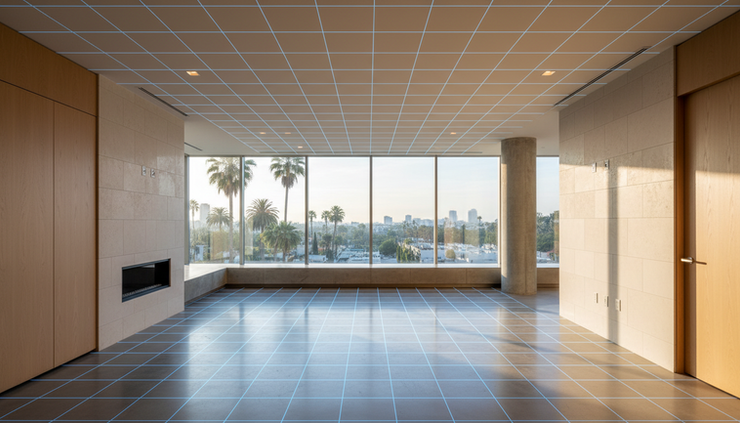
Adobe Research and Johns Hopkins announced Wonder on July 29, 2026.
Wonder is a research model, not a shipping real estate product.
It turns a single static image or video into a persistent 3D world.
Users can move through that world in six directions at 16 fps.
That is the fact pattern. The rest is where real estate teams need judgment.
Why this is genuinely a big deal
This is not a gimmick. It points to a real shift in how people may experience spaces before they visit, buy, lease, fund, or build them.
It lowers the barrier to spatial imagination
A flat image can suggest a room. A video can suggest motion. But a walkable world suggests presence.
For property marketing, that matters. People understand space faster when they can move through it, even roughly. A tool that turns one image into something explorable could help prospects feel a layout, a view, or an atmosphere with less friction.
It hints at faster concept testing
Early-stage teams often need to test a look before they commit to it.
Imagine exploring a lobby concept, amenity area, model unit mood, or sales gallery theme from a simple source image. That kind of AI property tour could help a team discuss direction earlier, before spending time on a full plan-based visualization package.
It makes virtual experiences more interactive
Wonder points toward more interactive product demos and virtual walkthroughs.
That matters because most property content is still passive. A person watches a video, swipes a gallery, or clicks through fixed tour points. A more open virtual walkthrough AI experience lets the viewer choose where to look and where to move.
For marketers, this is exciting. It makes the idea of an image to 3D world feel less like science fiction and more like the next content format.

What it can't do (yet)
Wonder is impressive. It is also a research announcement.
That distinction matters in real estate because property visuals carry different levels of risk. A mood image can inspire. A sales rendering can shape expectations. A permit drawing or investor deck can affect decisions involving real money.
Here is the current gap.
It invents details
A world built from one image has to fill in what the image does not show.
If the camera sees the living room, what is behind the wall? How wide is the hallway? What does the kitchen island look like from the other side? The model has to guess.
Sometimes that guess may look believable. In real estate, believable is not the same as true.
It does not provide true dimensions
Real property decisions depend on scale.
Ceiling heights, corridor widths, window placement, kitchen clearances, furniture fit, unit depth, and wall locations all matter. A generated 3D world may feel spatial, but that does not mean it is dimensionally reliable.
That is a major issue for developers, brokers, and sales teams selling a specific unit or project.
It cannot match your floor plan by default
A real project has drawings, constraints, codes, structure, setbacks, MEP coordination, and client-approved design choices.
A world hallucinated from a photo does not know those commitments. It may create a room that feels right but does not match the plan your team is actually building, leasing, or selling.
It is not permit-grade or investor-grade
When visuals support pre-sales, capital raises, city presentations, design approvals, or stakeholder signoff, the image needs to be tied to the project.
That means plan-based modeling, controlled materials, accurate room relationships, and review against the documents.
A 16 fps research output may be exciting for exploration. It is not the standard for decided-space marketing.

What smart developers and marketers should do now
The right move is not to ignore this technology. It is also not to fire the rendering team.
The useful frame is concept vs. commitment.
Use AI worlds for concept
AI-generated worlds are strongest when the goal is exploration, energy, and fast visual thinking.
Good uses may include:
Testing the feel of a space before the design is locked
Helping a non-technical audience understand a general idea
Creating early mood references for a sales or design direction
Making teaser content that invites curiosity
Exploring different atmospheres before full production begins
This is where AI can shine. It can help teams move from blank page to spatial conversation faster.
For the search term AI 3D walkthrough real estate, this is the exciting side of the answer. AI may make early virtual exploration more common, faster, and more flexible.
Use plan-based walkthroughs for commitment
Once the property is real, accuracy becomes the product.
That is where traditional 3D rendering, drafting, and plan-based flythroughs still matter. Not because they are older. Because they are accountable.
Plan-based walkthroughs are built from the documents that define the project. They can reflect the actual layout, elevations, material direction, sightlines, room proportions, and approved design intent.
Use plan-based visuals when the content supports:
Pre-selling condos, apartments, or homes
Leasing commercial or multifamily spaces
Pitching investors or lenders
Showing city reviewers or community stakeholders
Aligning architects, developers, brokers, and marketing teams
Explaining unbuilt space before construction is complete
This is where a polished rendering or walkthrough video earns trust. The viewer is not just being impressed. They are being shown what the team intends to deliver.
The real estate marketing split is changing
The old question was simple: should we make still renderings, a walkthrough video, or a virtual tour?
Now the better question is: what level of truth does this asset need?
Concept content
Commitment content
Use AI-generated worlds to explore mood, style, and early spatial ideas.
Use plan-based renderings and flythroughs when the asset must match the project.
That split will matter more as tools like Adobe Wonder real estate applications become easier to imagine.
A leasing teaser can be looser. A vision board can be experimental. A social clip can favor excitement.
A buyer presentation cannot invent the second bedroom. An investor deck cannot guess the lobby proportions. A permit-related visual cannot swap reality for a plausible room.
The smarter approach is to let each tool do what it does best.

What this means for virtual tours and walkthrough videos
AI worlds will not kill virtual tours. They will raise expectations.
Viewers will expect property content to feel more interactive, more immediate, and easier to understand. That pressure will affect every part of the marketing stack.
Static renderings will still matter because they are fast to view and easy to use in decks, listings, brochures, and websites. Walkthrough videos will still matter because they control pacing, story, and emotional reveal. Virtual tours will still matter because they let prospects inspect a space on their own terms.
AI-generated worlds may add a new layer before or between those assets.
For example:
A fast concept world helps a team react to an idea.
A still rendering sells the hero view.
A walkthrough video tells the story.
A plan-based virtual tour lets prospects explore the real layout.
A drafting package keeps the visual work tied to the project.
The winners will not be the teams that use AI for everything. They will be the teams that know when the visual is allowed to dream, and when it must be correct.
The takeaway for property teams
Wonder is a strong signal. AI-generated 3D worlds are coming, and property marketing will feel the impact.
They will make early concepts more immersive. They will help teams communicate spatial ideas faster. They may reshape what prospects expect from virtual content.
But the line remains clear.
If the goal is wow, an AI world can be useful.
If the goal is commitment, build from the plans.
For pre-selling units, supporting approvals, pitching investors, or marketing a real project before it exists, accuracy is not optional. The image has to match the space.
That is where studios like 3D Visionaries in El Segundo still play a critical role: turning drawings, layouts, and design intent into visuals people can trust.
AI will change the front end of property storytelling. The final promise still needs a real plan behind it.


Comments