Celebrating 3D Visionaries Shaping the Future of Design: 3D Visualization Innovators
In the ever-evolving world of design, the power of visualization has become a cornerstone. Imagine a space where ideas leap off the page and into vivid reality. This is the realm where 3D visualization innovators thrive, transforming abstract concepts into tangible experiences. Their work is not just about creating images; it’s about crafting immersive stories that captivate and inspire. How do these pioneers push the boundaries of design? Let’s explore the trailblazers who are shaping the future with their visionary approach.
The Rise of 3D Visualization Innovators
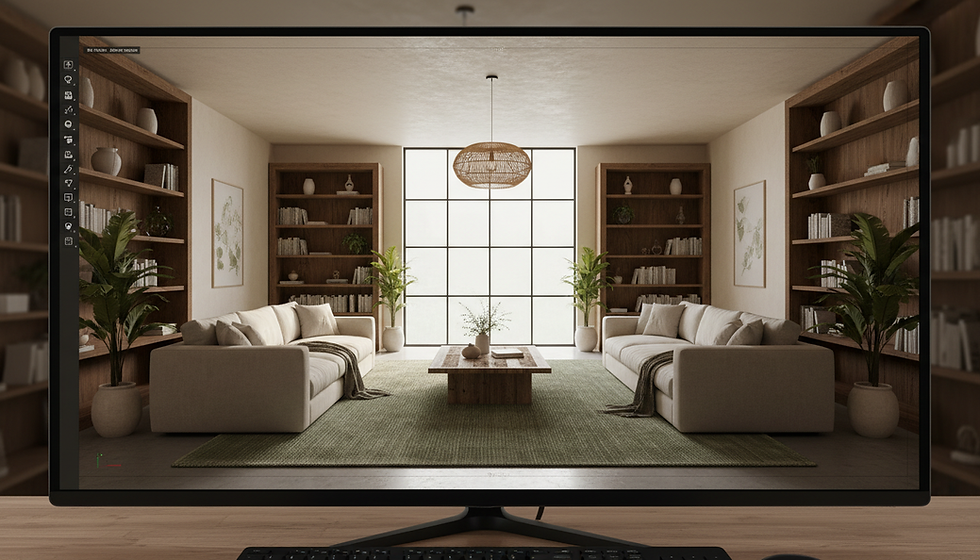
The design industry has witnessed a seismic shift thanks to advances in 3D technology. Architects, interior designers, product manufacturers, and real estate developers now rely heavily on 3D visualization to communicate ideas with precision and flair. These innovators harness cutting-edge software and artistic skill to produce visuals that are both technically accurate and emotionally engaging.
What sets these visionaries apart? It’s their ability to blend creativity with technology seamlessly. They don’t just render models; they breathe life into them. For example, a residential architect can now present a photorealistic walkthrough of a future home, allowing clients to experience the space before a single brick is laid. This level of detail fosters trust and excitement, accelerating decision-making and reducing costly revisions.

How 3D Visualization Innovators Transform Design Processes
The impact of 3D visualization goes beyond aesthetics. It revolutionizes workflows and collaboration. When teams can see a project in three dimensions, communication becomes clearer and more efficient. Misunderstandings that once plagued blueprints and sketches are minimized.
Consider product manufacturers who use 3D models to prototype designs rapidly. Instead of waiting weeks for physical samples, they iterate digitally, saving time and resources. This agility allows for more experimentation and innovation, ultimately leading to superior products.
Real estate developers also benefit immensely. High-quality 3D renderings and animations attract buyers by showcasing properties in their best light. Virtual staging and interactive tours create emotional connections, making it easier to envision living in the space. This emotional engagement can be the difference between a listing that lingers and one that sells quickly.
The Tools and Techniques Behind the Magic
What powers these stunning visualizations? A combination of sophisticated software, artistic expertise, and technical knowledge. Programs like Blender, 3ds Max, and Unreal Engine enable creators to build detailed models, apply realistic textures, and simulate lighting conditions with remarkable accuracy.
But technology alone isn’t enough. The best 3D visualization innovators understand design principles deeply. They know how to use color, composition, and perspective to guide the viewer’s eye and evoke the desired mood. Lighting, in particular, plays a crucial role. A well-lit scene can highlight architectural features or create a cozy ambiance in an interior space.
Moreover, advancements in real-time rendering and virtual reality are opening new frontiers. Imagine donning a VR headset and walking through a yet-to-be-built office complex or product showroom. This immersive experience offers unparalleled insight and confidence in design decisions.

Embracing the Future: Trends to Watch
The future of 3D visualization is bright and full of promise. Several trends are emerging that will further elevate the field:
AI-Driven Design Assistance
Artificial intelligence is beginning to assist in generating design options and automating repetitive tasks. This allows creators to focus more on innovation and less on manual labor.
Sustainability Visualization
As environmental concerns grow, 3D visualizations will increasingly incorporate sustainable materials and energy-efficient designs, helping stakeholders make greener choices.
Augmented Reality Integration
AR will enable clients to overlay digital models onto real-world environments using smartphones or tablets, bridging the gap between concept and reality.
Hyper-Realistic Textures and Materials
Advances in material scanning and rendering will produce visuals indistinguishable from photographs, enhancing client trust and excitement.
Collaborative Cloud Platforms
Cloud-based tools will facilitate real-time collaboration across teams and locations, speeding up project timelines and improving outcomes.
By staying ahead of these trends, 3D visualization innovators ensure their work remains relevant and impactful.
Partnering with 3D Visionaries to Bring Ideas to Life
Working with expert 3d visionaries means more than just getting a pretty picture. It’s about forging a partnership that elevates your project from concept to reality with clarity and precision. These professionals listen carefully, understand your goals, and translate them into visuals that speak volumes.
When selecting a 3D visualization partner, consider these factors:
Experience and Portfolio: Review past projects to gauge style and quality.
Technical Expertise: Ensure they use the latest tools and techniques.
Communication: Choose a team that values collaboration and responsiveness.
Customization: Look for flexibility to tailor visuals to your specific needs.
Turnaround Time: Timely delivery is crucial for keeping projects on track.
By aligning with the right 3D visualization innovators, you gain a powerful ally in storytelling and decision-making. Their work not only showcases your vision but also inspires confidence among stakeholders and clients.
The world of design is being reshaped by those who dare to see beyond the flat page. These 3D visualization innovators are the architects of imagination, crafting experiences that inform, excite, and persuade. As technology advances and creativity flourishes, the future of design looks more vivid than ever. Are you ready to step into this new dimension?


Comments