Creating Stunning 3D Architectural Visualizations
When I first dove into the world of architectural visualization, I quickly realized it was more than just creating pretty pictures. It’s about crafting a story, a vision that speaks louder than words. How do you transform blueprints and sketches into immersive, lifelike experiences? The answer lies in mastering the art and science of 3D architectural visualization. This post will walk you through the essentials of creating architectural visuals that captivate and communicate with precision.
The Art of Creating Architectural Visuals
Creating architectural visuals is a blend of creativity and technical skill. It’s not just about showing a building; it’s about conveying the atmosphere, the light, the materials, and the mood. Imagine walking through a space before it even exists. That’s the power of a well-crafted architectural visualization.
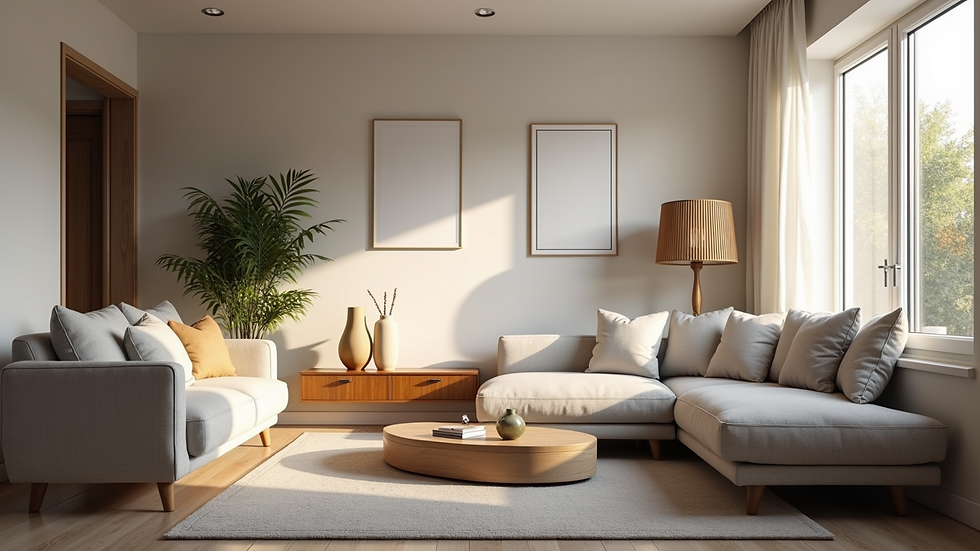
To start, focus on the story you want to tell. Is it a cozy residential home bathed in warm sunlight? Or a sleek, modern office space buzzing with energy? Your visuals should reflect these emotions. Use lighting to set the tone - soft and natural for homes, bright and dynamic for commercial spaces.
Materials and textures are your next tools. A polished marble floor or a rough brick wall can change the entire feel of a scene. Pay attention to details like reflections, shadows, and imperfections. These subtle touches add realism and depth.
Finally, composition matters. Think like a photographer. Use angles that highlight the best features of the design. Sometimes a wide-angle shot captures the grandeur, while a close-up reveals craftsmanship.
Essential Steps for Creating Architectural Visuals
The process of creating architectural visuals can be broken down into clear, manageable steps. Here’s how I approach it:
Gather Reference and Understand the Project
Before jumping into software, immerse yourself in the project details. Study floor plans, elevations, and client briefs. What is the purpose of the space? Who will use it? This understanding guides every decision.
Modeling the Structure
Start with a clean, accurate 3D model. Precision here saves time later. Use CAD files or create models from scratch, ensuring all dimensions are correct.
Apply Materials and Textures
Choose materials that match the design intent. Use high-quality textures and tweak their properties to mimic real-world surfaces.
Set Up Lighting
Lighting can make or break your visualization. Use natural light sources like the sun and sky, and add artificial lights where needed. Experiment with intensity and color temperature.
Camera Placement and Composition
Position your camera to capture the best angles. Consider the viewer’s perspective and what story each shot tells.
Rendering and Post-Processing
Render your scenes with appropriate settings for quality and speed. After rendering, use post-processing tools to enhance colors, contrast, and add effects like bloom or depth of field.
Review and Iterate
Always review your work critically. Seek feedback and be ready to make adjustments. The best visuals often come after several iterations.
Which Software is Best for 3D Visualization?
Choosing the right software depends on your needs, budget, and skill level. Here are some popular options I recommend:
Autodesk 3ds Max
A powerhouse for architectural visualization, especially when paired with V-Ray or Corona Renderer. It offers robust modeling tools and photorealistic rendering capabilities.
SketchUp
Great for quick modeling and conceptual work. It’s user-friendly and integrates well with rendering plugins like V-Ray.
Blender
An open-source option that has grown tremendously. Blender offers modeling, sculpting, and rendering all in one package, with Cycles and Eevee engines.
Lumion
Perfect for real-time rendering and creating stunning animations. It’s intuitive and designed specifically for architects.
Revit
While primarily a BIM tool, Revit’s integration with rendering engines allows for efficient visualization directly from the model.
Each software has strengths. For example, I often use 3ds Max for detailed interiors and Lumion for quick, immersive presentations. The key is to pick tools that fit your workflow and project demands.
Bringing Your Vision to Life with 3D Architectural Visualization
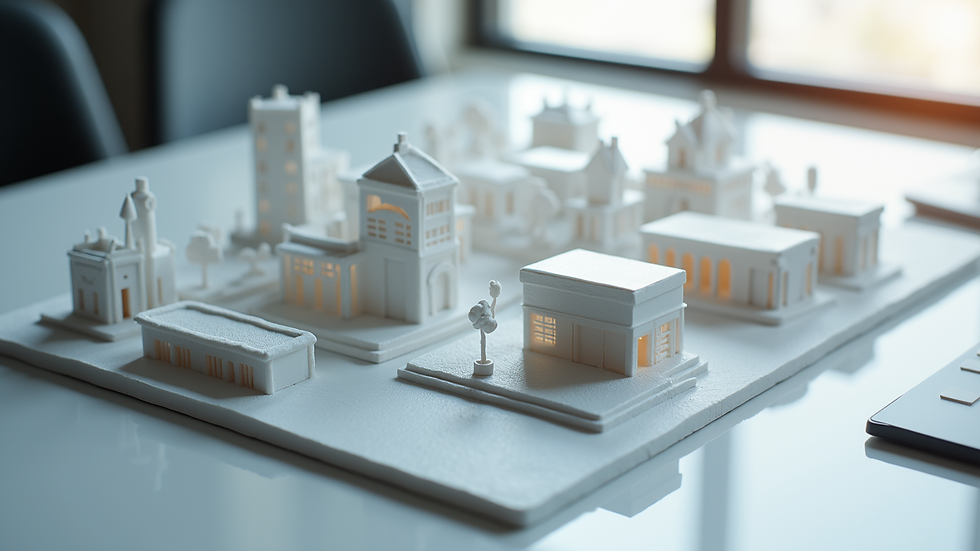
The magic happens when you combine all these elements into a cohesive whole. A well-executed 3d architectural visualization can transform abstract ideas into tangible experiences. It bridges the gap between imagination and reality.
Consider a real estate developer showcasing a new residential complex. Instead of static blueprints, they present a virtual walkthrough. Potential buyers can explore the space, understand the layout, and feel the ambiance. This immersive experience builds trust and excitement.
For interior designers, 3D visuals allow experimenting with colors, furniture, and lighting before making costly decisions. It’s a sandbox for creativity and precision.
Manufacturers benefit too. Product placement within architectural contexts helps clients visualize scale and integration, making the sales process smoother.
To maximize impact:
Use high-resolution textures and realistic lighting setups.
Incorporate natural elements like plants and water features to add life.
Animate scenes to show different times of day or user interactions.
Tailor visuals to your audience’s needs, focusing on what matters most to them.

Elevate Your Projects with Expert Visualization Partners
Creating stunning architectural visuals is a journey that requires skill, patience, and the right tools. But you don’t have to go it alone. Partnering with experts who specialize in 3D visualization can elevate your projects to new heights.
At 3D-Visionaries, the goal is clear - to be the go-to partner for anyone needing stunning 3D visualizations. They bring architectural, interior design, and product visions to life with exceptional clarity and detail. Their expertise ensures your ideas are not just seen but felt.
Why settle for ordinary when you can create extraordinary? Whether you’re presenting to clients, marketing a development, or refining your design, investing in high-quality 3D visuals pays dividends.
The future of architecture is visual. Are you ready to bring your visions to life?
Creating architectural visuals is more than a technical task - it’s an art form that communicates dreams and designs with clarity and emotion. With the right approach, tools, and partners, your projects will not only be seen but truly experienced.


Comments