Enhance Product Appeal with Photorealistic Product Rendering Techniques
In today’s competitive market, capturing attention is everything. How do you make a product leap off the page or screen and into the imagination of your audience? The answer lies in the power of photorealistic product rendering techniques. These techniques transform simple designs into vivid, lifelike images that speak volumes before a single word is read. Imagine your product not just seen, but felt—its texture, weight, and allure conveyed with stunning clarity. This is the magic of photorealistic rendering.
Why Photorealistic Product Rendering Techniques Matter
When you showcase a product, you want it to resonate instantly. Photorealistic rendering techniques do more than just display an object; they create an experience. They allow architects, interior designers, product manufacturers, and real estate developers to present their visions with precision and emotional impact.
Consider this: a chair is not just a chair. It’s a statement of style, comfort, and craftsmanship. A photorealistic rendering captures the subtle grain of the wood, the sheen of the fabric, and the play of light across its curves. This level of detail builds trust and excitement, turning browsers into buyers.
Key benefits include:
Enhanced visual appeal: Realistic textures and lighting make products irresistible.
Improved communication: Clear visuals reduce misunderstandings between creators and clients.
Cost efficiency: Avoid expensive prototypes by visualizing products digitally.
Faster decision-making: Clients can see exactly what they’re getting, speeding approvals.
By mastering these techniques, you elevate your presentations from mere concepts to compelling stories.

Essential Product Rendering Techniques to Elevate Your Visuals
Mastering photorealistic product rendering techniques requires a blend of artistry and technology. Here are some foundational methods that can transform your product visuals:
1. Accurate Lighting and Shadows
Lighting is the soul of photorealism. It defines shape, depth, and mood. Use natural light simulations or studio lighting setups to mimic real-world conditions. Shadows should be soft or sharp depending on the environment, adding authenticity.
2. High-Resolution Textures
Textures breathe life into surfaces. Whether it’s the roughness of concrete, the gloss of metal, or the softness of fabric, high-resolution textures ensure every detail is visible. Layering textures can add complexity and realism.
3. Realistic Materials and Reflections
Materials respond differently to light. Metals reflect sharply, plastics diffuse light softly, and glass refracts. Using physically based rendering (PBR) materials helps simulate these effects accurately.
4. Depth of Field and Camera Angles
Just like photography, depth of field guides the viewer’s eye. Blurring backgrounds or foregrounds can emphasize the product’s key features. Experiment with camera angles to find the most flattering perspective.
5. Post-Processing Enhancements
After rendering, subtle adjustments in contrast, color grading, and sharpness can enhance realism. Avoid over-editing; the goal is to complement, not overshadow, the render.
By combining these techniques, your product visuals will not only look real but also evoke the right emotions and responses.
How Photorealistic Rendering Transforms Product Marketing
Imagine launching a new product without the need for physical samples. Photorealistic rendering makes this possible. It allows you to:
Showcase multiple variations without extra manufacturing costs.
Create immersive presentations for client meetings or online catalogs.
Test different environments and lighting to see how your product performs visually.
Generate marketing materials quickly and efficiently.
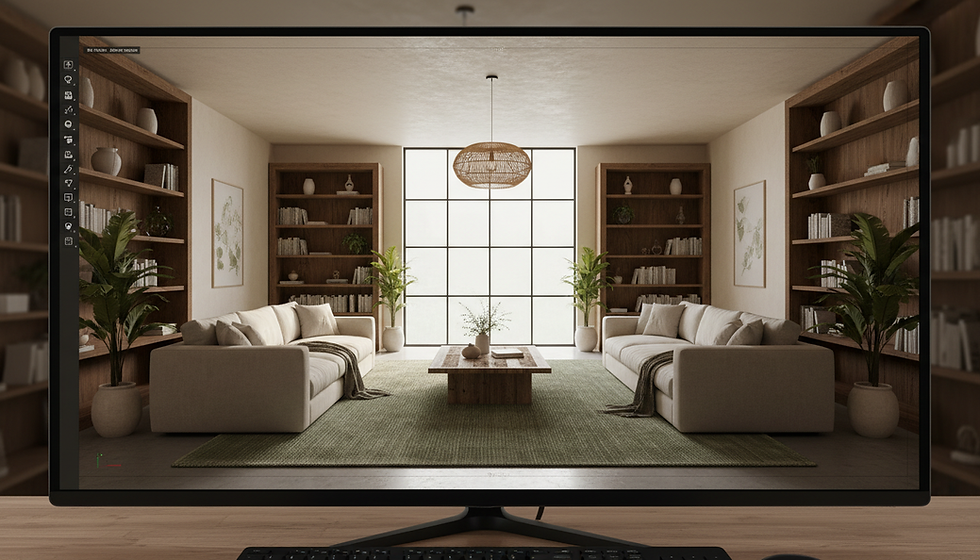
For example, a furniture manufacturer can present a sofa in various fabrics and room settings, helping customers visualize the perfect fit for their space. This flexibility accelerates sales cycles and reduces returns.
Moreover, photorealistic product rendering services can integrate seamlessly with virtual reality (VR) and augmented reality (AR), offering interactive experiences that deepen engagement.

Practical Tips for Working with Photorealistic Product Rendering Services
To get the most out of photorealistic product rendering services, consider these actionable recommendations:
Provide detailed references: Share sketches, material samples, and color palettes to guide the rendering team.
Communicate your vision clearly: Explain the mood, style, and context where the product will be used.
Request multiple angles and lighting setups: This gives you flexibility for different marketing channels.
Review drafts carefully: Look for inconsistencies in texture, lighting, or scale.
Plan for scalability: Ensure the renderings can be adapted for print, web, and large-format displays.
Partnering with experts who understand your industry’s nuances ensures your product is presented at its best. Whether it’s a sleek architectural element or a cutting-edge gadget, the right rendering service can bring your ideas to life with exceptional clarity.
The Future of Product Visualization: Beyond the Image
Photorealistic product rendering techniques are evolving rapidly. The future holds exciting possibilities:
Interactive 3D models: Allowing users to rotate, zoom, and customize products in real time.
AI-enhanced rendering: Speeding up workflows and improving detail accuracy.
Integration with e-commerce: Enabling seamless shopping experiences with realistic previews.
Sustainability visualization: Showing eco-friendly materials and lifecycle impacts visually.
By embracing these advancements, you stay ahead of the curve and continue to captivate your audience with stunning visuals.
In the end, photorealistic rendering is more than a tool—it’s a bridge between imagination and reality. It invites viewers to step closer, to explore, and to believe in the product’s promise.
If you want to elevate your product presentations and captivate your audience, consider partnering with photorealistic product rendering services. They offer the expertise and technology to turn your concepts into breathtaking visuals that sell.
Let your products tell their story with unmatched clarity and allure. The future of product appeal is here—are you ready to embrace it?


Comments