Enhancing Design Outcomes Through Architectural Visualizations and Their Key Benefits
- Aug 11, 2025
- 4 min read
Updated: Aug 26, 2025
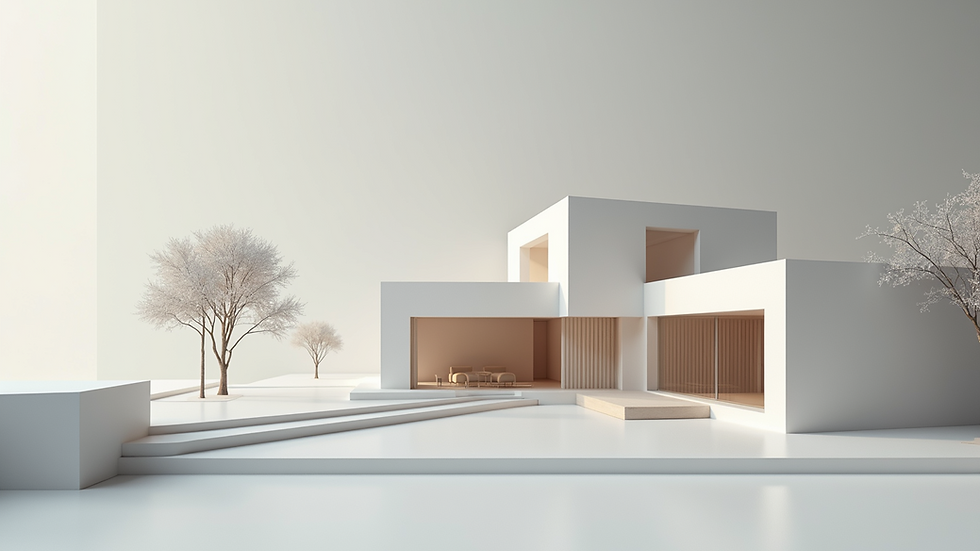
Architectural visualizations have become indispensable in modern design, changing how architects, designers, and clients share ideas. By producing realistic depictions of buildings and spaces, these visualizations turn concepts into tangible images, allowing all parties to understand the end product before construction starts. This article will look at the key benefits of architectural visualizations, emphasizing their role in improving project outcomes and enhancing client satisfaction.
The Importance of Architectural Visualizations
Architectural visualizations are not just a trend; they are a fundamental part of the design process. They bridge the gap between imagination and reality. With the right visualizations, we can transform abstract ideas into concrete representations. This transformation is vital for architects and designers aiming to convey their vision effectively.
Improved Communication
A significant advantage of architectural visualizations is their ability to boost communication among everyone involved in a project. Traditional blueprints and sketches can often be confusing for clients, causing misunderstandings and mismatched expectations.
With architectural visualizations, clients can see detailed and lifelike images of the design, which helps them better understand the project's scope and nuances. For example, a 3D rendering can make it easier for clients to grasp how the proposed building will look in its environment. This clarity leads to more productive discussions and constructive feedback, ensuring all parties remain aligned throughout the design process.
Enhanced Design Accuracy
Architectural visualizations empower designers to experiment with various elements, such as materials, colors, and lighting, in a digital setting. This flexibility allows architects to fine-tune their designs before any physical construction begins.
For instance, when an architect uses rendering software to visualize a space with different lighting options, they can effectively decide how to incorporate natural light in the final design. This process can help spot potential design flaws early, which reduces the chances of costly adjustments later on. According to recent studies, fixing design errors at the visualization stage can save clients up to 30% in construction costs.

Increased Client Engagement in Architectural Visualizations
Involving clients in the design process is vital for achieving successful results. Architectural visualizations create an engaging experience that encourages client interaction.
For example, when clients can explore a 3D model online or through virtual reality, they can provide more insightful feedback about their preferences. A study by the American Institute of Architects shows that projects with highly engaged clients yield a 20% increase in satisfaction. This rapport not only strengthens the client-architect relationship but also ensures the final design meets the client's expectations.
Streamlined Decision-Making
In the busy world of architecture and design, making timely decisions is crucial. Architectural visualizations streamline this process by offering a clear picture of the project.
When clients can visualize the design effectively, they generally make quicker, more informed decisions. This increased efficiency can shorten project timelines, allowing architects to devote their energy to other critical aspects of the design and construction process. For instance, an architect may report that using visualizations reduced the design phase duration by 25%, resulting in faster project delivery.
Marketing and Presentation
Architectural visualizations serve as powerful marketing tools beyond the design phase. High-quality renderings can be utilized in presentations, brochures, and online platforms to attract potential clients and investors.
These visualizations create a positive first impression, generating interest and excitement around the project. A compelling visual can increase engagement by up to 60%, making it easier for architects to share their vision and secure support from stakeholders.

Cost-Effectiveness
Investing in architectural visualizations can lead to considerable cost savings over time. By identifying design issues and making necessary changes before construction starts, architects can avoid expensive alterations and delays.
Additionally, presenting a clear vision can minimize misunderstandings about project scope, reducing costs associated with scope changes. This proactive stance translates into a more efficient process, with studies indicating that visualizations can lower overall project expenditures by as much as 15%.
The Future of Architectural Visualizations
As technology continues to evolve, so too will the capabilities of architectural visualizations. We can expect advancements in virtual reality, augmented reality, and artificial intelligence to further enhance the design process. These innovations will allow architects to create even more immersive experiences for clients.
Imagine walking through a building that hasn't been constructed yet, feeling the space and understanding the flow. This level of interaction will not only improve client satisfaction but also lead to better design outcomes. The future is bright for architectural visualizations, and embracing these changes will be crucial for success.
Final Thoughts
Architectural visualizations are crucial for improving design outcomes by enhancing communication, accuracy, client engagement, decision-making, and marketing strategies. As the architectural landscape evolves, incorporating these visual tools will become essential for architects and designers aiming to remain competitive while delivering outstanding results.
By harnessing the advantages of architectural visualizations, all stakeholders can ensure their projects are not only visually appealing but also align with their objectives and expectations. As the industry progresses, adopting advanced visualization techniques will play a vital role in shaping the future of architectural design, leading to more innovative and successful projects.
In conclusion, the role of architectural visualizations cannot be overstated. They are the key to unlocking a world of possibilities in design, where creativity meets clarity. By investing in these tools, we can pave the way for a future filled with stunning architectural achievements.


Comments