Exploring the World of Leading 3D Artists and Visionaries
In the realm of design and visualization, the power of three-dimensional imagery has transformed how we perceive and communicate ideas. From architectural marvels to intricate product designs, 3D artistry breathes life into concepts that once lived only in the mind’s eye. But who are the masterminds behind these stunning visuals? What drives their creativity, and how do they shape the future of design? Today, I invite you to journey with me into the world of leading 3D artists, uncovering their techniques, inspirations, and the impact they have on industries like architecture, interior design, and product manufacturing.
The Rise of Leading 3D Artists in Modern Design
The evolution of 3D visualization has been nothing short of revolutionary. What was once a niche skill reserved for specialists has blossomed into a cornerstone of modern design communication. Leading 3D artists have become indispensable collaborators, translating blueprints and sketches into immersive, photorealistic experiences.
These artists combine technical prowess with artistic intuition. They understand light, texture, and space in ways that elevate a simple model into a compelling story. For example, an architect’s vision of a sleek, modern building can be transformed into a virtual walkthrough that captures the ambiance of natural light filtering through glass walls at sunset. This level of detail helps stakeholders make informed decisions and fosters a deeper emotional connection to the project.
Moreover, the tools at their disposal have grown exponentially. Software like Blender, 3ds Max, and Cinema 4D empower artists to push boundaries, experimenting with materials, environments, and animations. The result? Visuals that are not only accurate but also evocative.

What Sets Leading 3D Artists Apart?
What distinguishes a leading 3D artist from a competent one? It’s a blend of creativity, technical skill, and an acute understanding of the client’s vision. These artists don’t just create images; they craft experiences.
One key trait is their ability to listen and interpret. A product manufacturer might provide a rough sketch or a concept brief. The artist’s job is to translate that into a detailed, realistic model that highlights the product’s features and potential uses. This requires a deep knowledge of materials, lighting, and even physics to simulate how the product interacts with its environment.
Another hallmark is adaptability. The design world is fast-paced, and client needs can shift rapidly. Leading 3D artists stay ahead by continuously learning new techniques and software updates. They also collaborate closely with architects, interior designers, and developers to ensure every detail aligns with the project’s goals.
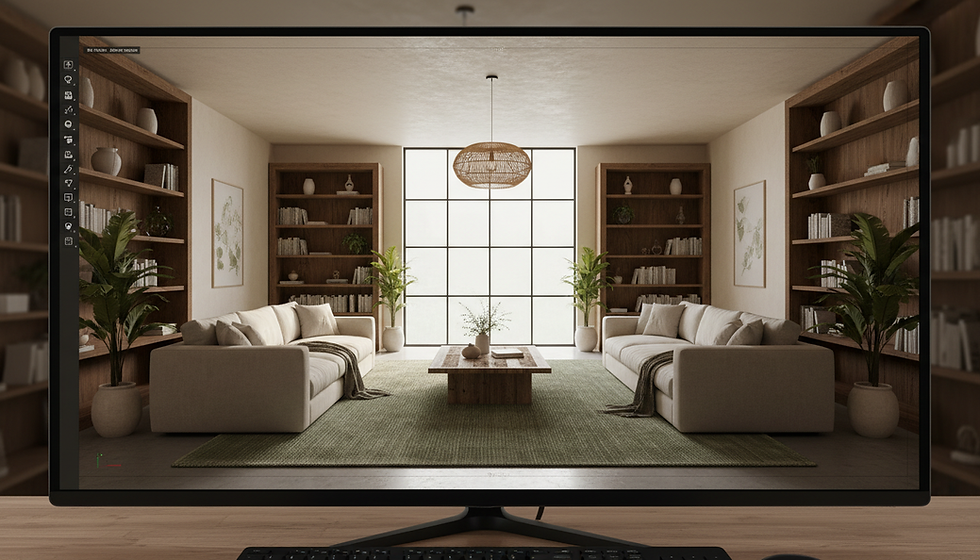
Consider the work of a leading 3D artist tasked with visualizing an interior space. Beyond just modeling furniture and fixtures, they consider how natural and artificial light interplay throughout the day, how textures feel to the eye, and how the space invites movement. This holistic approach transforms a static image into a narrative that resonates with viewers.
How much do 3D renderers make?
Understanding the financial landscape of 3D rendering can be as important as mastering the craft itself. Salaries and freelance rates vary widely depending on experience, specialization, and geographic location.
Entry-level 3D renderers might start with an annual salary ranging from $40,000 to $60,000 in the United States. As skills deepen and portfolios grow, mid-level artists can command between $60,000 and $90,000. Top-tier professionals, especially those recognized as leading 3D artists, often earn six figures, sometimes exceeding $120,000 annually.
Freelancers enjoy flexibility but must navigate fluctuating workloads and client acquisition. Hourly rates typically range from $30 to $100, depending on complexity and reputation. For specialized projects like architectural visualizations or product prototypes, rates can be higher.
To maximize earnings, many 3D artists diversify their skills—combining rendering with animation, virtual reality, or interactive design. Building a strong network and showcasing a compelling portfolio are equally crucial for attracting high-value clients.
The Tools and Techniques Behind Stunning 3D Visualizations
Behind every breathtaking 3D image lies a suite of powerful tools and refined techniques. Mastery of these elements is what allows leading 3D artists to create visuals that captivate and inform.
Modeling is the foundation. Artists start by building a digital skeleton of the object or space. Precision is key here—whether it’s the curve of a chair or the angles of a skyscraper. Software like Autodesk Maya or SketchUp offers intuitive interfaces for this stage.
Next comes texturing and materials. This step adds realism by simulating surfaces—wood grain, metal sheen, fabric weave. Physically based rendering (PBR) materials have become standard, enabling artists to mimic how light interacts with different surfaces accurately.
Lighting is the artist’s brushstroke. It sets mood, highlights features, and guides the viewer’s eye. Techniques like global illumination and HDR lighting simulate real-world conditions, making scenes feel alive.
Finally, post-processing enhances the final image. Color grading, depth of field, and subtle effects like lens flares or ambient occlusion add polish and professionalism.
The integration of virtual reality (VR) and augmented reality (AR) is also reshaping the field. These technologies allow clients to immerse themselves in designs, walking through spaces before they exist physically.

Embracing the Future with 3D Visionaries
As I reflect on the journey through this vibrant world, it’s clear that the future belongs to those who dare to innovate. The 3d visionaries are not just artists; they are storytellers, problem solvers, and pioneers. They harness technology to bridge imagination and reality, helping architects, interior designers, and product manufacturers communicate their ideas with unprecedented clarity.
For anyone looking to elevate their projects, partnering with these visionaries means gaining more than just images. It means accessing a creative force that understands the nuances of design and the power of visualization. Whether you’re unveiling a new building, crafting a product prototype, or designing an inviting interior, the right 3D artist can transform your vision into a compelling visual narrative.
In this ever-evolving landscape, staying curious and embracing new tools will keep you at the forefront. After all, in the world of 3D artistry, the only limit is the horizon of your imagination.


Comments