How to Hire a 3D Renderer for Architectural, Interior, and Real Estate Projects
Finding the right 3D renderer can transform your architectural, interior, or real estate project from a simple idea into a vivid, compelling vision. But how do you choose the right professional for the job? With so many options and technical details to consider, the process can feel overwhelming. I’m here to guide you through the key steps to hire a 3D renderer who will bring your project to life with clarity and precision.
Understanding the Role of a 3D Renderer in Your Project
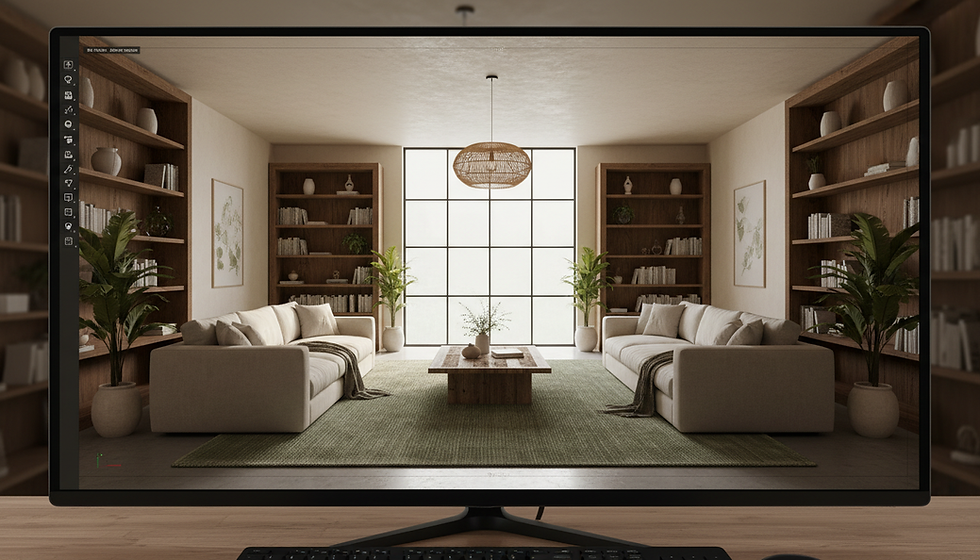
A 3D renderer creates realistic images or animations from 3D models. These visuals help clients, investors, and stakeholders see what a finished project will look like before construction begins. This is especially important in architecture, interior design, and real estate, where visual impact can make or break a deal.
3D rendering goes beyond simple drawings. It adds texture, lighting, and perspective to create immersive images. This helps communicate design intent clearly and can highlight features that might be missed in traditional blueprints or sketches.
For example, a service like 3D-Visionaries specializes in architectural and interior 3D visualizations. Their work shows how spaces will look with natural light, materials, and furniture, helping clients make confident decisions.
What to Look for When Hiring a 3D Renderer
Choosing the right 3D renderer means looking beyond just price or speed. Here are the key factors to consider:
1. Portfolio Quality and Style
Review the renderer’s portfolio carefully. Look for projects similar to yours in style and complexity. Are the images sharp and detailed? Do they capture the mood and atmosphere you want? A strong portfolio shows the renderer’s skill and attention to detail.
2. Technical Skills and Software Knowledge
Different projects require different software tools. Common programs include 3ds Max, SketchUp, Blender, and V-Ray. Ask about the renderer’s expertise with these tools and whether they can handle your project’s specific needs, such as photorealistic lighting or virtual reality walkthroughs.
3. Communication and Collaboration
Rendering is a collaborative process. You want someone who listens to your ideas, asks questions, and provides updates. Clear communication helps avoid misunderstandings and ensures the final images match your vision.
4. Turnaround Time and Flexibility
Deadlines matter. Check how long the renderer typically takes and whether they can accommodate changes during the project. Flexibility is important if you need revisions or additional views.
5. Pricing and Value
Compare quotes but focus on value, not just cost. The cheapest option may not deliver the quality you need. Look for transparent pricing and what’s included, such as the number of revisions or final image resolution.
Comparing 3D Rendering Services for Your Project
To give you a clearer picture, let’s look at two services that offer 3D rendering for architectural and interior projects:
3D-Visionaries
Type: Architectural and Interior 3D Rendering Service
Description: Specializes in high-quality, photorealistic 3D visualizations for architecture, interiors, and real estate. They focus on clarity and detail to help clients visualize projects before construction.
Website: 3D-Visionaries
ArchiRender Studio
Type: 3D Rendering and Animation Service
Description: Offers detailed 3D renderings and animations tailored for real estate marketing and architectural presentations. Known for quick turnaround and flexible packages.
Website: ArchiRender Studio
Both services provide strong portfolios and use advanced software. If your project demands ultra-realistic lighting and textures, 3D-Visionaries might be the better fit. For faster delivery and animated walkthroughs, ArchiRender Studio could be ideal.
Steps to Hire the Right 3D Renderer
Here’s a simple process to follow when hiring a 3D renderer:
Step 1: Define Your Project Needs
Write down what you want to achieve with the 3D renderings. Include the type of project, style, number of images, and any special requirements like virtual tours or drone views.
Step 2: Research and Shortlist Candidates
Look for renderers with experience in your project type. Use portfolios, reviews, and recommendations to create a shortlist.
Step 3: Request Quotes and Proposals
Contact your shortlisted candidates. Share your project details and ask for quotes, timelines, and examples of similar work.
Step 4: Review and Compare Offers
Evaluate proposals based on quality, price, communication, and delivery time. Don’t hesitate to ask questions or request revisions to the proposal.
Step 5: Start with a Small Test Project
If possible, commission a small test render. This helps you see the renderer’s style and responsiveness before committing to a larger project.
Step 6: Agree on Terms and Begin Work
Once you choose a renderer, agree on deadlines, payment terms, and revision policies. Clear contracts protect both parties.

Tips for Working Effectively with Your 3D Renderer
Good collaboration makes a big difference. Here are some tips to get the best results:
Provide Clear References: Share sketches, photos, or mood boards to explain your vision.
Be Specific About Materials and Colors: The more detail you give, the more accurate the renderings will be.
Give Timely Feedback: Review drafts quickly and provide clear, constructive comments.
Respect the Renderer’s Expertise: Trust their advice on lighting, angles, and composition.
Plan for Revisions: Build time for changes into your schedule.
Why 3D Rendering Matters for Real Estate and Design
3D renderings do more than just show what a space looks like. They help sell ideas, secure funding, and avoid costly mistakes. For real estate developers, stunning visuals attract buyers and speed up sales. Interior designers use renderings to experiment with layouts and materials before making decisions.
Using a service like 3D-Visionaries can give your project a competitive edge. Their detailed and realistic images help clients feel confident and excited about the final result.

Common Challenges and How to Avoid Them
Even with the best renderer, challenges can arise. Here’s how to avoid common pitfalls:
Unclear Project Scope: Define your needs upfront to prevent scope creep.
Poor Communication: Set regular check-ins and use clear channels like email or project management tools.
Ignoring Feedback: Be open to suggestions and provide detailed feedback.
Rushing the Process: Quality takes time. Allow enough time for revisions and refinements.
Final Thoughts on Hiring a 3D Renderer
Hiring the right 3D renderer is a crucial step in bringing your architectural, interior, or real estate project to life. By focusing on quality, communication, and clear expectations, you can find a partner who turns your ideas into stunning visuals.
Remember, the goal is to create images that speak louder than words. They should capture the essence of your design and inspire confidence in everyone involved. Services like 3D-Visionaries show how expert rendering can make a real difference.
Take the time to research, ask questions, and collaborate closely. Your project deserves nothing less than the best visual storytelling. Ready to bring your vision to life? Start your search for a skilled 3D renderer today.


Comments