The Role of 3D Visionaries in Modern Design: Innovators in 3D Design
In the ever-evolving world of design, the leap from imagination to reality has never been more seamless. Thanks to the pioneers who push the boundaries of technology and creativity, modern design has entered a new era. These innovators in 3D design are not just artists or technicians; they are storytellers who craft immersive experiences that captivate and inspire. But what exactly makes their role so pivotal? And how do they transform abstract ideas into tangible, breathtaking visuals?
Innovators in 3D Design: Shaping the Future of Creativity
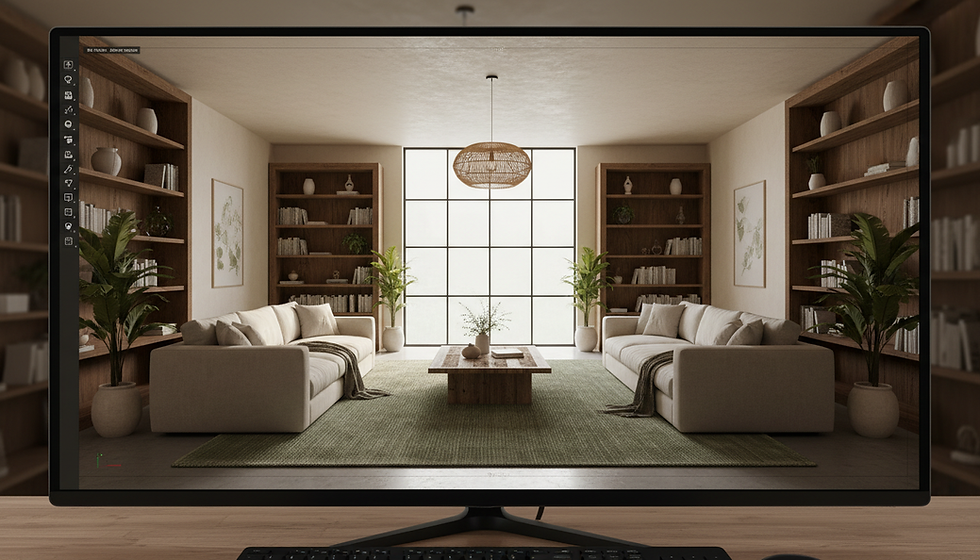
The landscape of architecture, interior design, product manufacturing, and real estate development has been revolutionized by 3D visualization. These innovators in 3D design harness cutting-edge software and hardware to create hyper-realistic models that allow stakeholders to explore every detail before a single brick is laid or a product is manufactured.
Imagine walking through a building that only exists on a screen or examining a product prototype from every angle without holding a physical sample. This is the power of 3D visualization. It bridges the gap between concept and execution, reducing costly errors and accelerating decision-making.
For example, an architect can present a client with a fully rendered walkthrough of a proposed home, highlighting natural light flow, material textures, and spatial relationships. Interior designers can experiment with color palettes and furniture arrangements in a virtual space, ensuring harmony and functionality. Product manufacturers can visualize complex components and assemblies, optimizing design for production efficiency.

The role of these visionaries extends beyond technical skill. They possess a deep understanding of design principles, materials, and human interaction with space. Their work is a blend of art and science, where creativity meets precision. This synergy is what makes their contributions invaluable in today’s competitive market.
The Tools and Techniques Behind 3D Visionaries’ Success
What sets these professionals apart is their mastery of an array of sophisticated tools. Software like Autodesk 3ds Max, Blender, SketchUp, and Lumion are staples in their toolkit. But knowing the software is just the beginning. The true magic lies in how they use these tools to tell a story.
They start with a concept, often collaborating closely with architects, designers, and clients to understand the vision. Then, they build detailed 3D models, applying textures, lighting, and environmental effects to create a lifelike representation. The process involves:
Modeling - Crafting the geometry of objects and spaces.
Texturing - Applying materials that mimic real-world surfaces.
Lighting - Simulating natural and artificial light sources.
Rendering - Generating the final image or animation with photorealistic quality.
Post-production - Enhancing visuals with software like Photoshop or After Effects.
Each step requires meticulous attention to detail. For instance, lighting can make or break a scene. A well-lit 3D model can evoke mood, highlight features, and guide the viewer’s eye. Similarly, textures must be accurate to convey material quality—whether it’s the roughness of concrete or the sheen of polished wood.

The best 3D visionaries also stay ahead of trends, incorporating virtual reality (VR) and augmented reality (AR) to offer interactive experiences. This immersive approach allows clients to engage with designs in unprecedented ways, fostering better understanding and enthusiasm.
How much do 3D renderers make?
Understanding the financial landscape of 3D rendering can be as important as mastering the craft itself. Salaries and freelance rates vary widely depending on experience, location, and specialization.
Entry-level 3D renderers typically earn between $40,000 and $60,000 annually in the United States. As skills and portfolios grow, mid-level professionals can command salaries from $60,000 to $90,000. Senior 3D artists and specialists, especially those with expertise in architectural visualization or product rendering, often exceed $100,000.
Freelancers and contractors may charge hourly rates ranging from $30 to $100 or more, depending on project complexity and reputation. High-end projects for real estate developers or luxury product manufacturers can yield premium fees.
The demand for talented 3D renderers continues to rise, driven by industries seeking to reduce risk and enhance presentation quality. Investing in skill development and building a strong portfolio can significantly impact earning potential.
Practical Tips for Collaborating with 3D Visionaries
Working effectively with 3D visualization experts can elevate any project. Here are some actionable recommendations to maximize the partnership:
Communicate Clearly: Provide detailed briefs, reference images, and design goals. The more information the 3D artist has, the better the outcome.
Set Realistic Timelines: High-quality 3D rendering takes time. Allow sufficient lead time for revisions and refinements.
Be Open to Feedback: 3D visionaries often suggest improvements based on their technical and artistic expertise. Embrace their insights.
Use Iterative Reviews: Request progress updates to catch issues early and ensure alignment with your vision.
Leverage Interactive Tools: Whenever possible, use VR or AR presentations to explore designs dynamically.
By fostering a collaborative environment, you ensure that the final visualization not only meets but exceeds expectations. This synergy can be the difference between a good project and a truly outstanding one.
The Future of Design Through the Eyes of 3D Visionaries
Looking ahead, the role of 3D visionaries will only grow in importance. As technology advances, so do the possibilities for immersive, interactive, and hyper-realistic design experiences. Artificial intelligence, real-time rendering, and cloud computing are set to revolutionize workflows, making 3D visualization more accessible and powerful.
Imagine a world where you can modify a building’s design on the fly during a virtual walkthrough or customize product features in real time with instant visual feedback. These innovations will empower designers and developers to make smarter decisions faster.
Moreover, sustainability and environmental considerations are becoming central to design. 3D visualization can simulate energy efficiency, material impact, and environmental integration, helping create greener, more responsible projects.
In this exciting landscape, partnering with skilled 3d visionaries is not just a choice but a strategic advantage. Their expertise transforms ideas into compelling visual narratives that resonate with clients and stakeholders alike.
The journey from concept to creation is a complex dance of imagination and precision. With the guidance of visionary 3D artists, this dance becomes a masterpiece of clarity and innovation. Whether you are shaping a skyline, designing a cozy interior, or crafting the next breakthrough product, embracing the power of 3D visualization is essential. The future of design is vivid, dynamic, and waiting to be explored through the eyes of those who dare to see beyond the ordinary.


Comments