Unlocking the Power of 3D Rendering to Visualize Your Design Projects
Visualizing a design before it exists can be a major challenge. Floor plans and technical drawings provide essential information, but they often fail to capture the atmosphere, materials, lighting, and overall feel of a space. This gap can make it hard for clients to fully understand or approve a design concept. That’s where hiring a professional 3D renderer becomes invaluable.
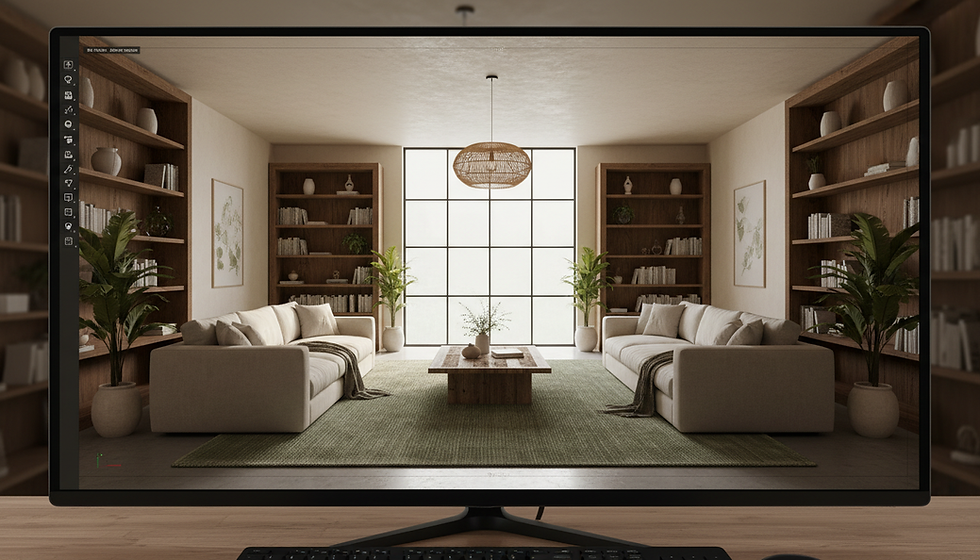
A skilled 3D renderer transforms flat drawings and sketches into realistic images that bring projects to life. These visuals help clients see exactly what the finished space will look like, making decisions easier and speeding up approvals. Whether you are an architect, interior designer, real estate developer, or business owner, 3D rendering can improve how you present and sell your projects.

How 3D Rendering Bridges the Gap Between Ideas and Reality
Design professionals often rely on AutoCAD drawings, floor plans, and sketches to communicate their ideas. While these tools are essential, they can be difficult for clients to interpret, especially those without a design background. A 3D renderer takes these technical documents and turns them into images that show:
Materials and textures such as wood grain, fabric, stone, or metal finishes
Lighting effects including natural sunlight, shadows, and artificial lighting
Spatial relationships that reveal how furniture and architectural elements fit together
Atmosphere and mood that convey the intended style and feeling of the space
By providing a realistic preview, 3D renderings reduce misunderstandings and help clients feel confident about the design direction.
Types of 3D Rendering Services and Their Benefits
Different projects require different types of 3D rendering. Here are some common services and how they add value:
Interior Rendering
Interior renderings focus on the inside of a building. They show furniture placement, color schemes, lighting, and decorative details. This type of rendering is especially useful for:
Interior designers presenting concepts to clients
Homeowners visualizing renovations
Retailers planning store layouts
Architectural Visualization
This service creates images of entire buildings or structures, including exterior views. Architects use architectural visualization to:
Showcase building designs before construction
Explore different materials and finishes
Present projects to planning authorities or investors
Exterior Rendering
Exterior renderings highlight outdoor spaces, landscaping, and building facades. They help developers and designers:
Illustrate how a building fits into its environment
Show outdoor amenities like pools, gardens, or parking areas
Market properties with attractive visuals
Real Estate Marketing Images
Real estate agents and developers use 3D renderings to create compelling marketing materials. These images can:
Attract buyers by showing finished homes or commercial spaces
Highlight key features and upgrades
Provide virtual tours or interactive walkthroughs

Practical Examples of 3D Rendering Impact
Consider a real estate developer planning a new apartment complex. Traditional blueprints show unit layouts but don’t convey the look and feel of the building. By hiring a 3D renderer, the developer can produce images that show:
The building’s facade with realistic materials
Interior views of model apartments fully furnished
Outdoor spaces with landscaping and lighting
These visuals help attract investors and buyers by making the project tangible before construction starts.
An interior designer working on a restaurant renovation can use 3D renderings to:
Experiment with different color palettes and furniture styles
Show the client how lighting will affect the dining atmosphere
Avoid costly changes during construction by finalizing design choices early
How to Choose the Right 3D Renderer
Finding the right 3D renderer is key to getting quality visuals that meet your needs. Here are some tips:
Review portfolios to see examples of their previous work and styles
Check technical skills including software expertise and attention to detail
Discuss project scope clearly to ensure they understand your goals
Ask about turnaround times and communication during the process
Consider budget but prioritize quality and experience
Working with a renderer who understands your industry and project type will produce the best results.


Comments