Unlocking the Power of 3D Rendering: Transforming Visions into Reality
In the world of design and development, 3D rendering has emerged as a revolutionary tool. It bridges the gap between imagination and reality, allowing creators to visualize their concepts with stunning clarity. Whether you are crafting an architectural masterpiece, designing an interior space, or showcasing a new product, 3D rendering breathes life into your ideas. But what makes this technology so indispensable? Let’s dive deep into the art and science of 3D rendering and explore how it can elevate your projects to new heights.
What is 3D Rendering and Why Does It Matter?
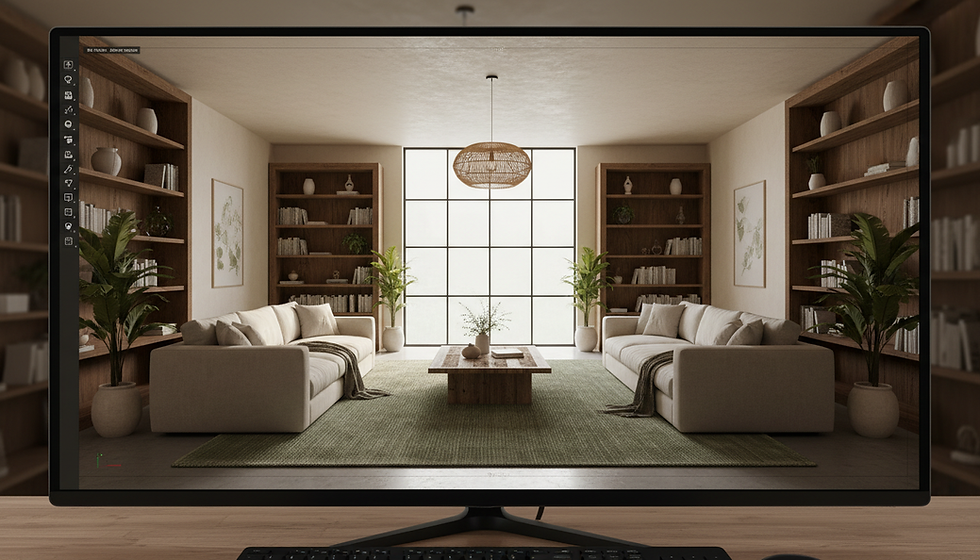
At its core, 3D rendering is the process of converting a three-dimensional model into a two-dimensional image with photorealistic qualities. Think of it as painting with light and shadow, texture and perspective, to create a vivid representation of a design. Unlike traditional sketches or 2D blueprints, 3D renderings provide a comprehensive view that captures every detail.
Why is this important? Because seeing is believing. When clients or stakeholders can see a project in its full glory before a single brick is laid or a product is manufactured, decisions become faster and more confident. It reduces guesswork and minimizes costly revisions. Imagine walking through a virtual space that doesn’t yet exist or examining a product from every angle without holding a physical prototype. This is the power of 3D rendering.

The Role of 3D Rendering in Architecture and Interior Design
Architecture and interior design are fields where precision and aesthetics must harmonize perfectly. 3D rendering serves as a translator between the architect’s vision and the client’s expectations. It allows for:
Detailed visualization: Every material, color, and fixture can be previewed.
Spatial understanding: Clients can grasp the flow and scale of spaces.
Lighting simulation: Natural and artificial lighting effects can be tested.
Design iteration: Changes can be made quickly and visualized instantly.
For example, when designing a residential building, 3D rendering can simulate how sunlight filters through windows at different times of the day. This insight helps optimize window placement and interior layouts for comfort and energy efficiency. Similarly, interior designers can experiment with furniture arrangements, textures, and color schemes without moving a single piece of physical furniture.
The ability to present photorealistic images or even immersive walkthroughs creates a compelling narrative that words and drawings alone cannot convey. It’s like turning a blueprint into a living, breathing space.
How 3D Rendering Enhances Product Manufacturing and Marketing
Product manufacturers face the challenge of showcasing their innovations before mass production. 3D rendering offers a solution that is both cost-effective and visually striking. Here’s how:
Prototype visualization: Before investing in physical prototypes, manufacturers can see how a product looks and functions.
Customization options: Variations in color, material, and design can be displayed effortlessly.
Marketing materials: High-quality images and animations can be used in catalogs, websites, and advertisements.
Customer engagement: Interactive 3D models allow customers to explore products online.
Consider a furniture manufacturer launching a new chair design. With 3D rendering, they can create multiple versions with different fabrics and finishes, helping customers make informed choices. This not only speeds up the sales process but also reduces returns and dissatisfaction.

The Technical Side: Tools and Techniques Behind 3D Rendering
Behind every stunning 3D image lies a complex interplay of software, hardware, and artistic skill. The process typically involves:
Modeling: Creating the 3D geometry of the object or space.
Texturing: Applying surface details like colors, patterns, and materials.
Lighting: Setting up light sources to mimic real-world illumination.
Rendering: Computing the final image using algorithms that simulate light behavior.
Post-processing: Enhancing the image with effects like depth of field or color correction.
Popular software tools include Blender, 3ds Max, SketchUp, and V-Ray, each offering unique features tailored to different needs. The choice depends on the project’s complexity, desired realism, and workflow preferences.
One might wonder, how long does it take to render a high-quality image? The answer varies widely. Simple scenes can render in minutes, while complex architectural visualizations with intricate lighting and textures might take hours. Advances in GPU technology and cloud rendering services have significantly accelerated this process, making it more accessible than ever.
Best Practices for Creating Impactful 3D Renderings
Creating a compelling 3D rendering is both an art and a science. Here are some actionable tips to ensure your visuals stand out:
Focus on realism: Use high-resolution textures and accurate lighting to mimic real-world conditions.
Keep it simple: Avoid cluttering the scene with unnecessary details that distract from the main subject.
Use natural lighting: Simulate daylight and shadows to add depth and authenticity.
Show context: Include surroundings like landscaping or furniture to provide scale and environment.
Iterate and refine: Don’t settle for the first render. Experiment with angles, lighting, and materials.
Remember, the goal is to communicate your vision clearly and persuasively. A well-crafted 3D rendering can be the difference between a project that excites and one that falls flat.
Embracing the Future: Trends in 3D Rendering
The field of 3D rendering is evolving rapidly. Emerging technologies are pushing the boundaries of what’s possible:
Real-time rendering: Powered by game engines like Unreal Engine, this allows instant visualization and interaction.
Virtual reality (VR) and augmented reality (AR): Immersive experiences that let users explore designs in a fully interactive environment.
AI-assisted rendering: Artificial intelligence helps optimize rendering times and enhance image quality.
Photogrammetry and scanning: Integrating real-world data to create accurate 3D models.
These innovations are not just futuristic concepts; they are becoming integral parts of the design and marketing toolkit. Staying ahead means embracing these tools to deliver even more compelling and efficient visualizations.
Bringing Your Vision to Life with 3D-Visionaries
In this dynamic landscape, partnering with experts who understand both the technical and creative aspects of 3D rendering is crucial. 3D-Visionaries aims to be the go-to partner for anyone needing stunning 3D visualizations, helping clients bring their architectural, interior design, and product visions to life with exceptional clarity and detail.
Whether you need photorealistic images, immersive walkthroughs, or interactive models, the right 3D rendering partner can transform your ideas into powerful visual stories that resonate with your audience and accelerate your project’s success.
Harnessing the full potential of 3D rendering is like wielding a magic wand that turns blueprints into breathtaking realities. It’s a journey of creativity, precision, and innovation that opens new doors for design and communication. Are you ready to see your vision in a whole new dimension?


Comments